1. PDF of, 'Furies. 'Erinyes (Euménides)' 12 Sept 2017..pdf. Click on file, left, to open.
All
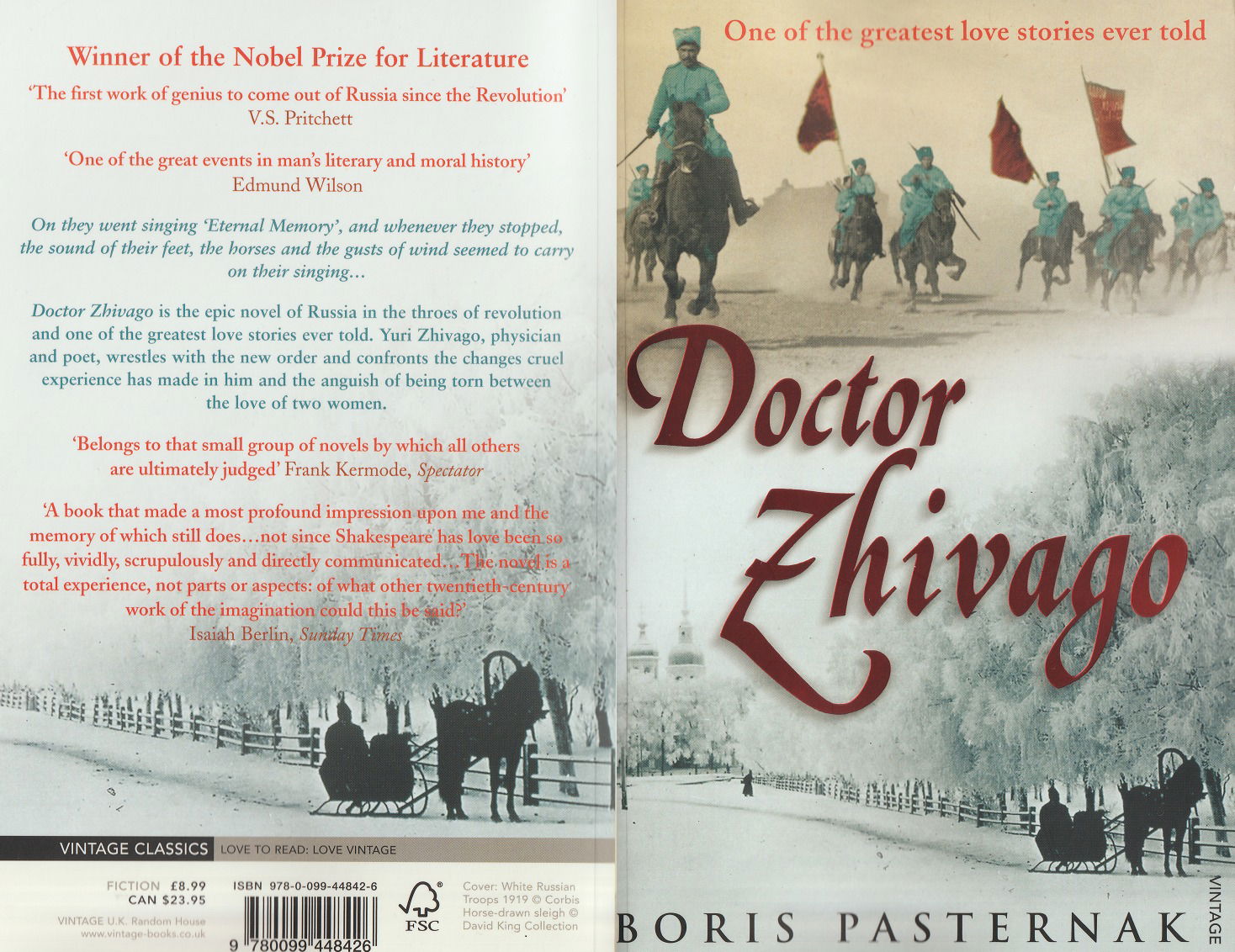 Book cover: B Pasternak, 'Doctor Zhivago' (1958, reprint 2002).
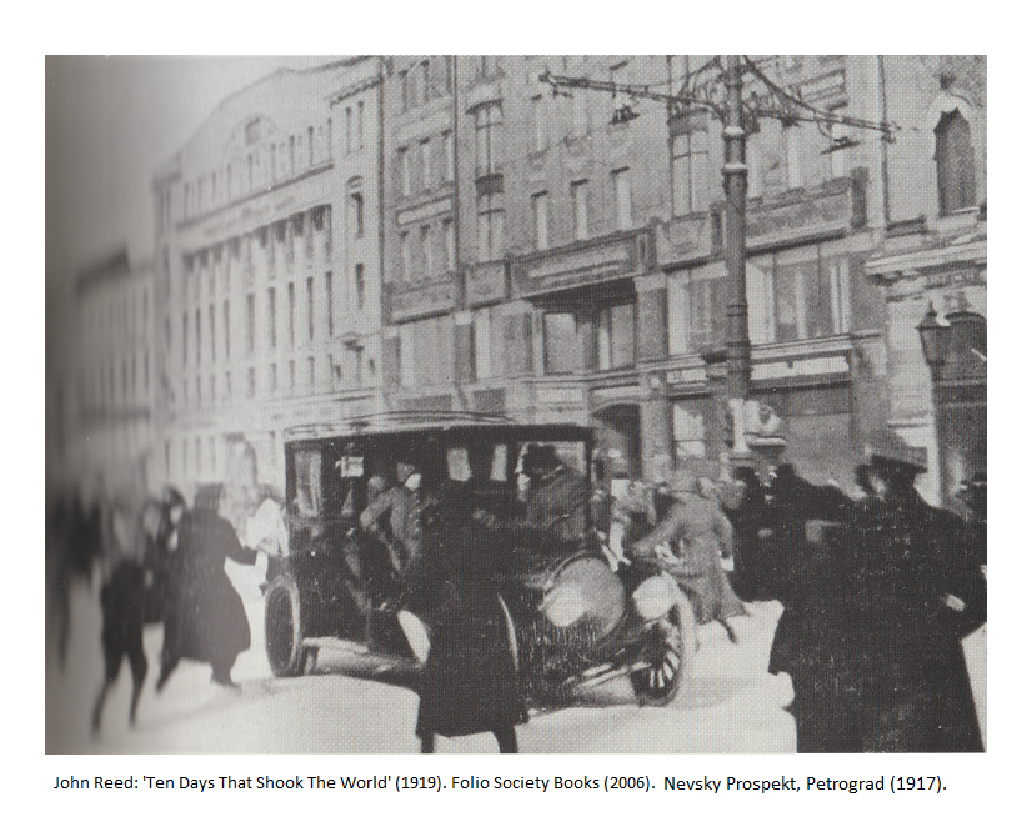 Russians under fire on Nevsky Prospekt, Petrograd, October 1917 (Hutton Archive/Getty Images). Reed John (1919) 'Ten Days That Shook The World', by John Reed, p. 164, Preface by John Simpson, Introduction by A. J. P. Taylor, Forward by V. I. Lenin, The Folio Society, London 2006, second printing 2007, original publication 1919, Boni & Liveright, Inc.
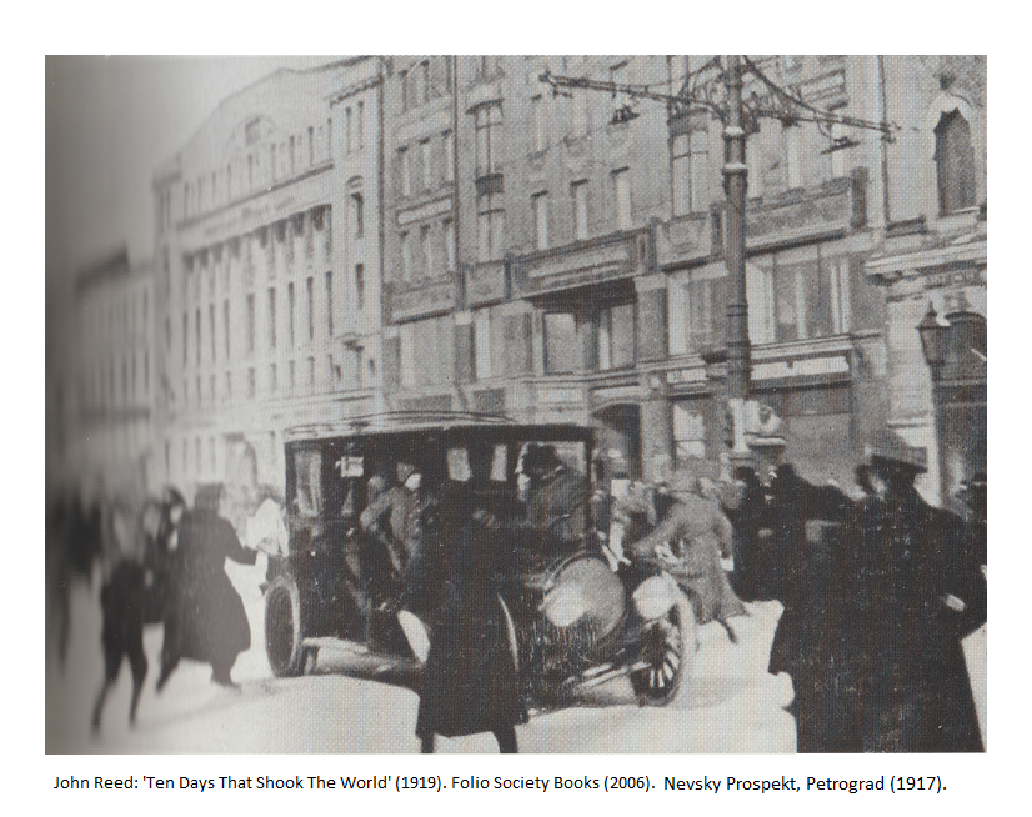 Russians under fire on Nevsky Prospekt, Petrograd, October 1917 (Hutton Archive/Getty Images). Reed John (1919) 'Ten Days That Shook The World', by John Reed, p. 164, Preface by John Simpson, Introduction by A. J. P. Taylor, Forward by V. I. Lenin, The Folio Society, London 2006, second printing 2007, original publication 1919, Boni & Liveright, Inc.
Further links, destination URLs:
a). Pinterest.com: Delaunay-Belleville: France - https://www.pinterest.co.uk/richardfuster1641/delaunay-belleville-france/
b). Pinerest.com: ‘Doctor Zhivago’, B Pasternak (1957/8) - https://www.pinterest.co.uk/richardfuster1641/doctor-zhivago-b-pasternak-19578/

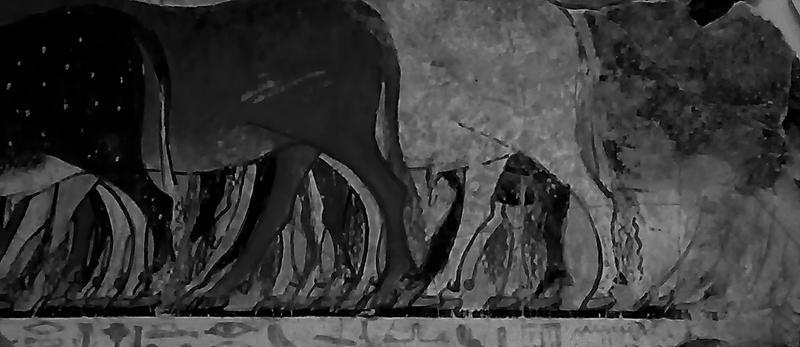
Some examples of 'Late Period', Ancient Egyptian, tomb wall paintings from the Tomb-chapel of Nebamun (c. 1350 BC) - gain from the display area experience.
FILES: picture images for the Tomb-chapel of Nebamun.
SECTION 1.
 [1] Reference sign - for 'the Tomb-chapel of Nebamun' - Room 61, The British Museum, London - See, also, URL links: a). Flickr.com - https://www.flickr.com/photos/141521575@N02/ | b). Pinterest.co.uk - https://www.pinterest.co.uk/richardfuster1641/christmas-2018/
 [2] Reference sign - for 'the wall paintings and the Tomb-chapel of Nebamun' - Room 61, The British Museum, London - See, also, URL links: a). Flickr.com - https://www.flickr.com/photos/141521575@N02/ | b). Pinterest.co.uk - https://www.pinterest.co.uk/richardfuster1641/christmas-2018/
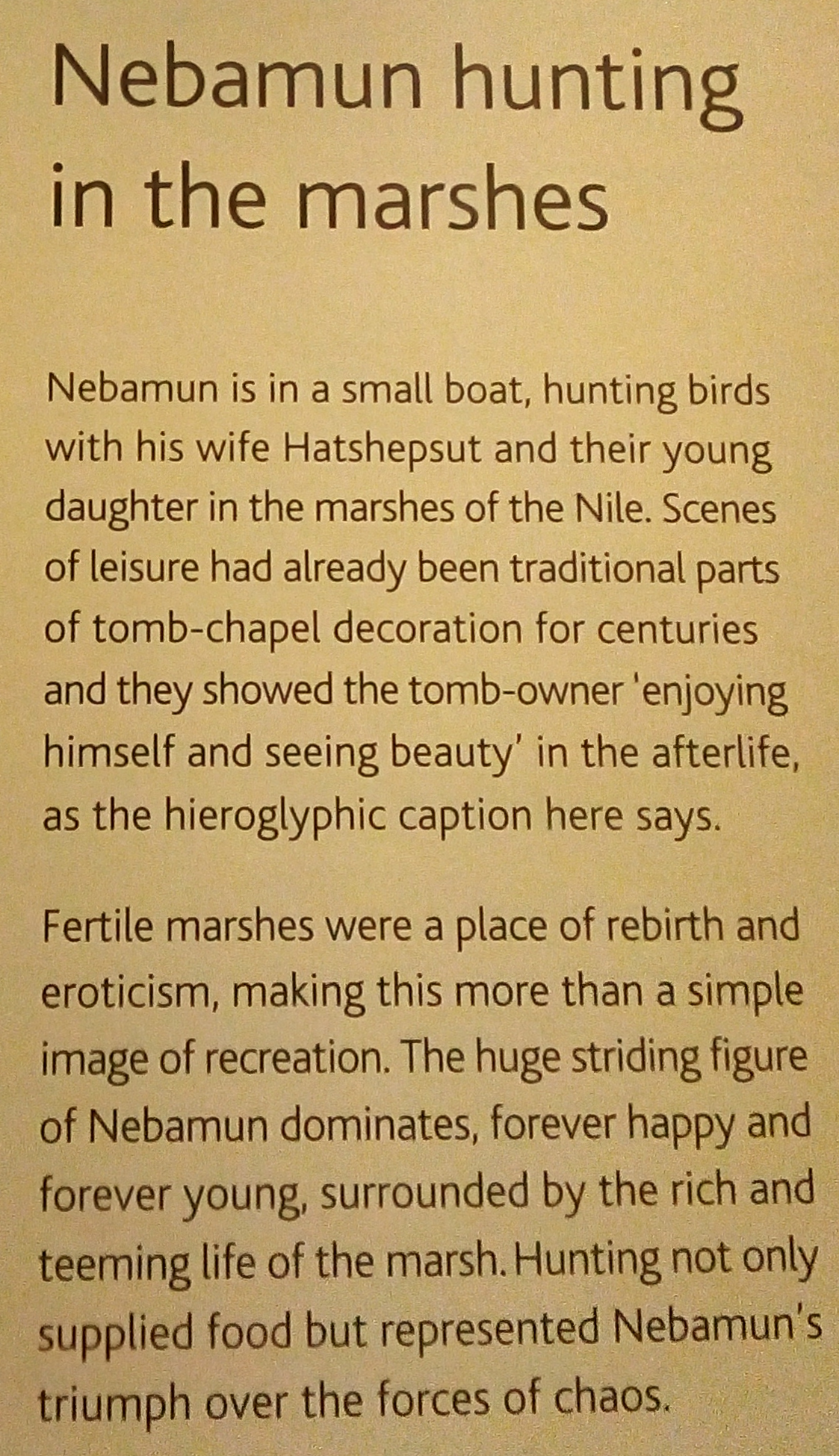 [3] Reference sign - for the wall painting of 'Nebamun in the marshes' - Room 61, The British Museum, London - See, also, URL links: a). Flickr.com - https://www.flickr.com/photos/141521575@N02/ | b). Pinterest.co.uk - https://www.pinterest.co.uk/richardfuster1641/christmas-2018/

[4] The display area for the wall painting of 'Nebamun in the marshes' - Room 61, The British Museum, London - See, also, URL links: a). Flickr.com - https://www.flickr.com/photos/141521575@N02/ | b). Pinterest.co.uk - https://www.pinterest.co.uk/richardfuster1641/christmas-2018/
 [5] Reference details for the wall painting of 'Nebamun in the marshes' - Room 61, The British Museum, London - See, also, URL links: a). Flickr.com - https://www.flickr.com/photos/141521575@N02/ | b). Pinterest.co.uk - https://www.pinterest.co.uk/richardfuster1641/christmas-2018/
 [6] The wall painting of 'Nebamun in the marshes' - Room 61, The British Museum, London - See, also, URL links: a). Flickr.com - https://www.flickr.com/photos/141521575@N02/ | b). Pinterest.co.uk - https://www.pinterest.co.uk/richardfuster1641/christmas-2018/
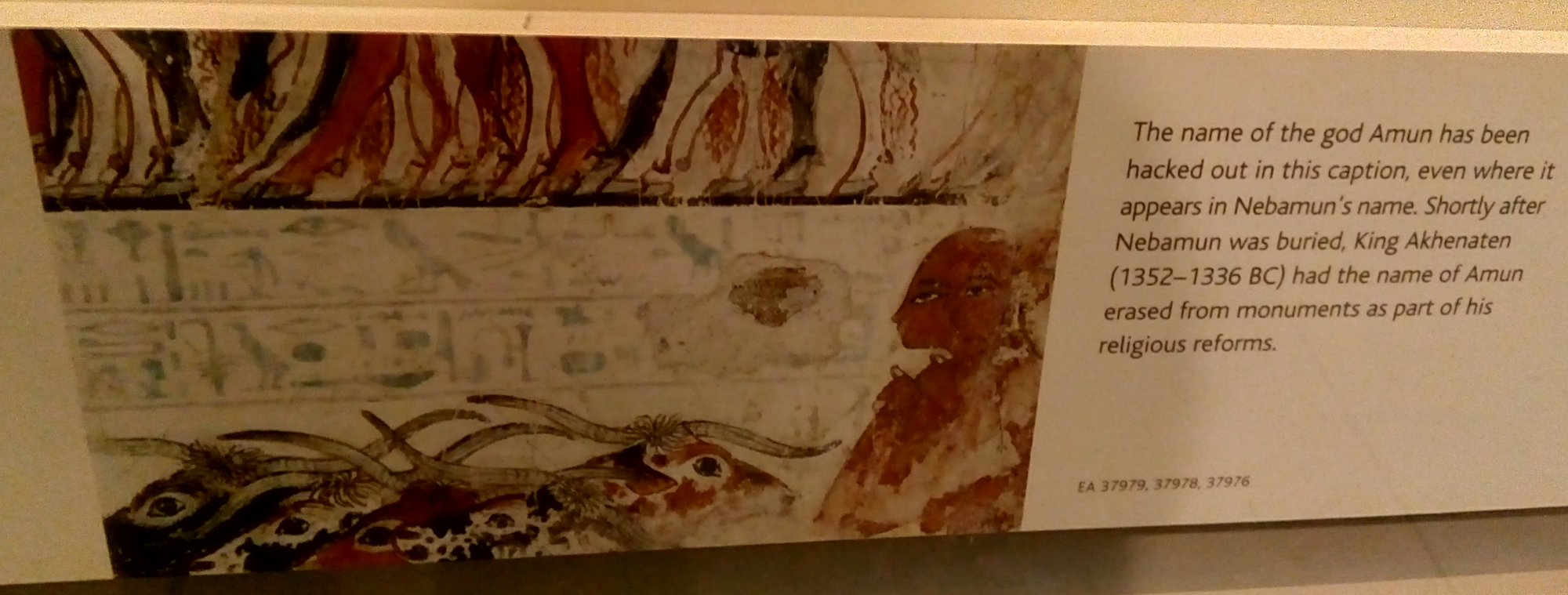 [7] Reference sign - for the wall painting (the upper section) of 'Nebamun with his cattle' - Room 61, The British Museum, London - See, also, URL links: a). Flickr.com - https://www.flickr.com/photos/141521575@N02/ | b). Pinterest.co.uk - https://www.pinterest.co.uk/richardfuster1641/christmas-2018/
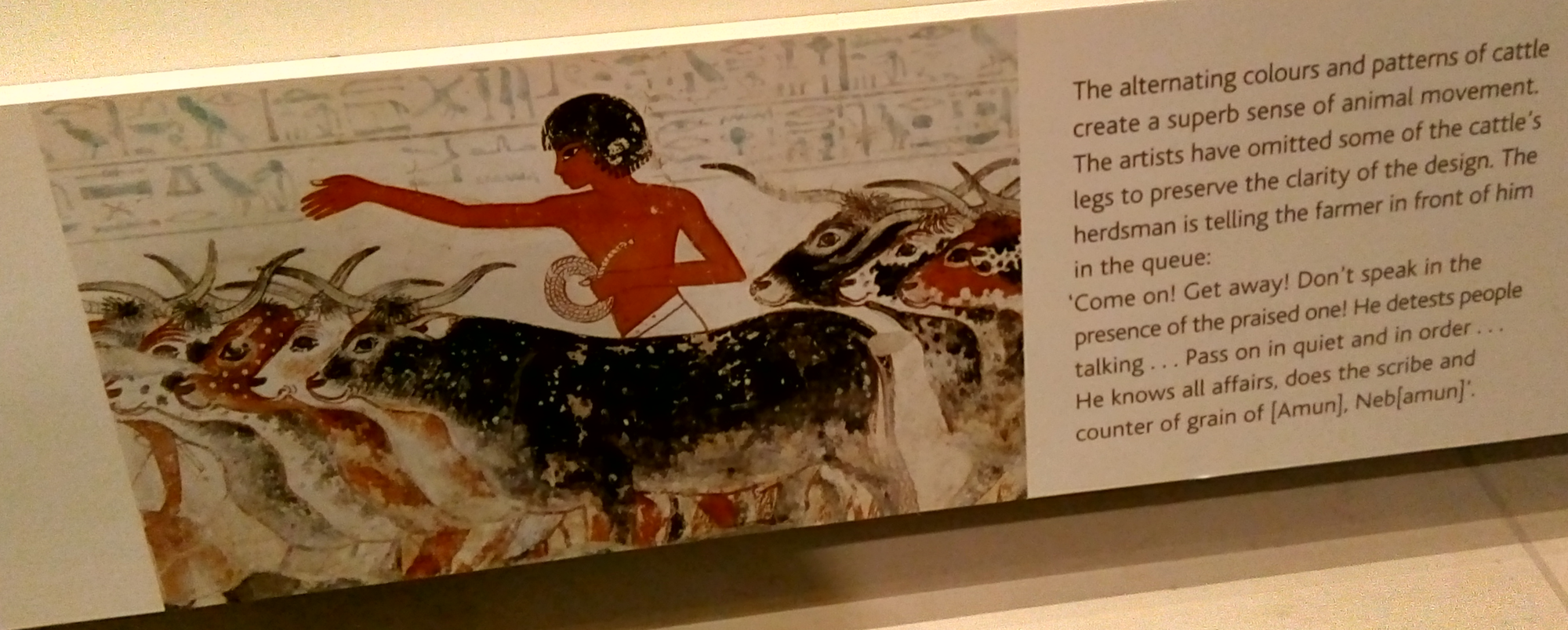 [8] Reference sign - for the wall painting (the lower section) of 'Nebamun with his cattle' - Room 61, The British Museum, London - See, also, URL links: a). Flickr.com - https://www.flickr.com/photos/141521575@N02/ | b). Pinterest.co.uk - https://www.pinterest.co.uk/richardfuster1641/christmas-2018/
FILES: picture images for the Tomb-chapel of Nebamun.
SECTION 2.
 [1] Wall paintings (c. 1350 BC) from the Tomb-chapel of Nebamun - Room 61,The British Museum, London - See, also, URL links: a). Flickr.com - https://www.flickr.com/photos/141521575@N02/ | b). Pinterest.co.uk - https://www.pinterest.co.uk/richardfuster1641/christmas-2018/
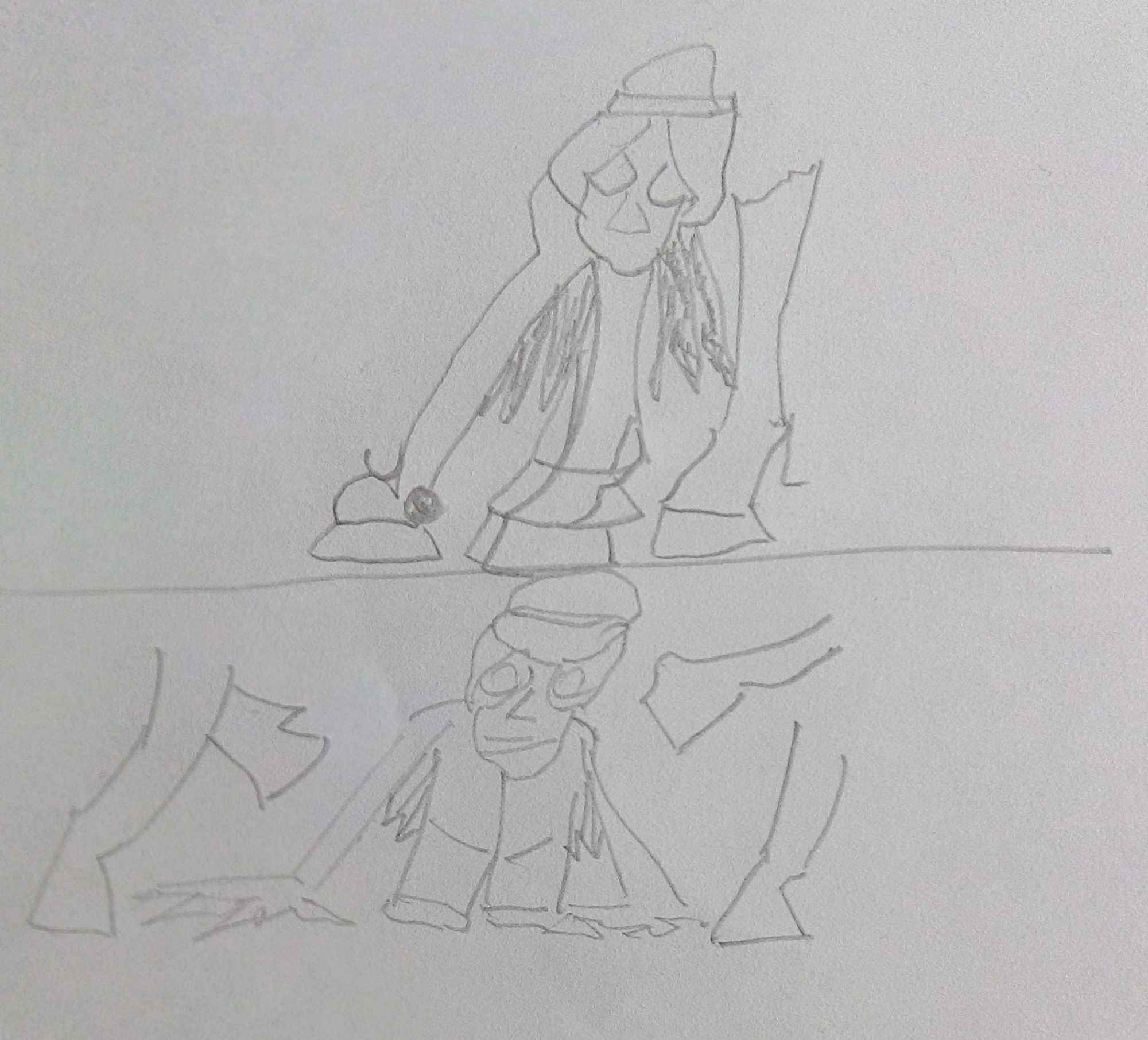 [1.1] Illustrative sketch detail - with reference to 'Nebamun with his cattle' - Wall Paintings, Room 61, The British Museum, London - See, also, URL links: a). Flickr.com - https://www.flickr.com/photos/141521575@N02/ | b). Pinterest.co.uk - https://www.pinterest.co.uk/richardfuster1641/christmas-2018/
 [1.2] 'Nebamun with his cattle' - Wall painting (c. 1350 BC) Room 61, The British Museum, London - See, also, URL links: a). Flickr.com - https://www.flickr.com/photos/141521575@N02/ | b). Pinterest.co.uk - https://www.pinterest.co.uk/richardfuster1641/christmas-2018/
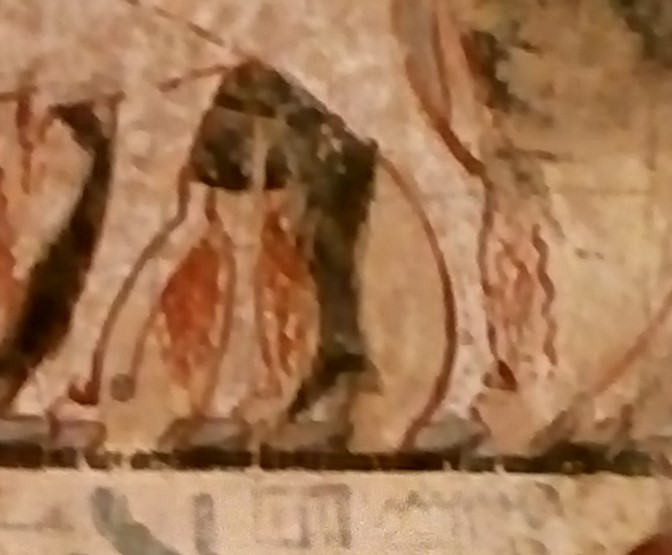 [2] Wall painting detail (c. 1350 BC) from the Tomb-chapel of Nebamun - Room 61,The British Museum, London - See, also, URL links: a). Flickr.com - https://www.flickr.com/photos/141521575@N02/ | b). Pinterest.co.uk - https://www.pinterest.co.uk/richardfuster1641/christmas-2018/
 [3] Wall painting detail (c. 1350 BC) from the Tomb-chapel of Nebamun - Room 61,The British Museum, London - See, also, URL links: a). Flickr.com - https://www.flickr.com/photos/141521575@N02/ | b). Pinterest.co.uk - https://www.pinterest.co.uk/richardfuster1641/christmas-2018/
 [4] Wall painting detail (c. 1350 BC) from the Tomb-chapel of Nebamun - Room 61,The British Museum, London - See, also, URL links: a). Flickr.com - https://www.flickr.com/photos/141521575@N02/ | b). Pinterest.co.uk - https://www.pinterest.co.uk/richardfuster1641/christmas-2018/
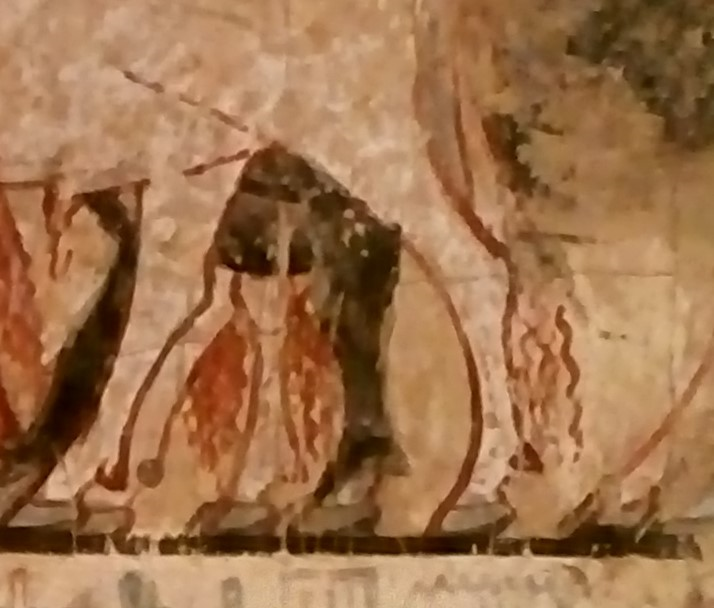 [5] Wall painting detail (c. 1350 BC) from the Tomb-chapel of Nebamun - Room 61,The British Museum, London - See, also, URL links: a). Flickr.com - https://www.flickr.com/photos/141521575@N02/ | b). Pinterest.co.uk - https://www.pinterest.co.uk/richardfuster1641/christmas-2018/
 [6] Wall painting detail (c. 1350 BC) from the Tomb-chapel of Nebamun - Room 61,The British Museum, London - See, also, URL links: a). Flickr.com - https://www.flickr.com/photos/141521575@N02/ | b). Pinterest.co.uk - https://www.pinterest.co.uk/richardfuster1641/christmas-2018/
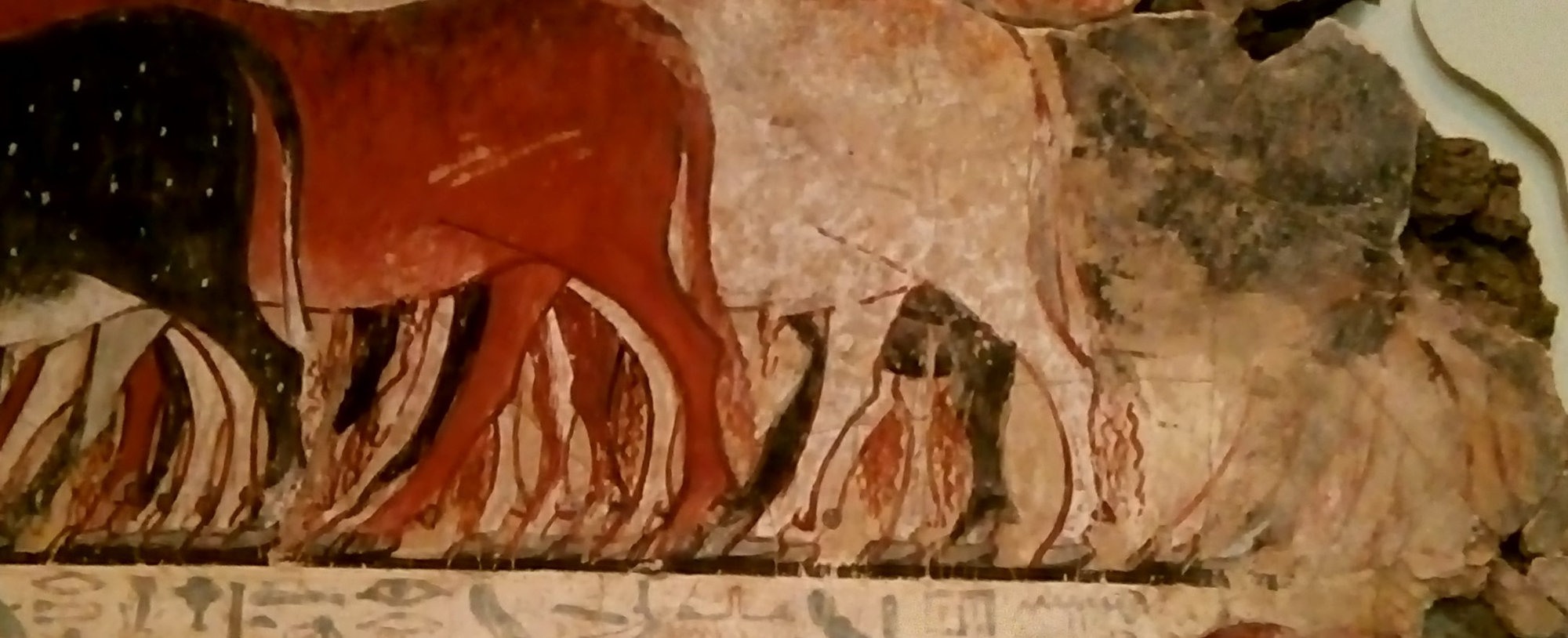 [7] Wall painting detail (c. 1350 BC) from the Tomb-chapel of Nebamun - Room 61,The British Museum, London - See, also, URL links: a). Flickr.com - https://www.flickr.com/photos/141521575@N02/ | b). Pinterest.co.uk - https://www.pinterest.co.uk/richardfuster1641/christmas-2018/
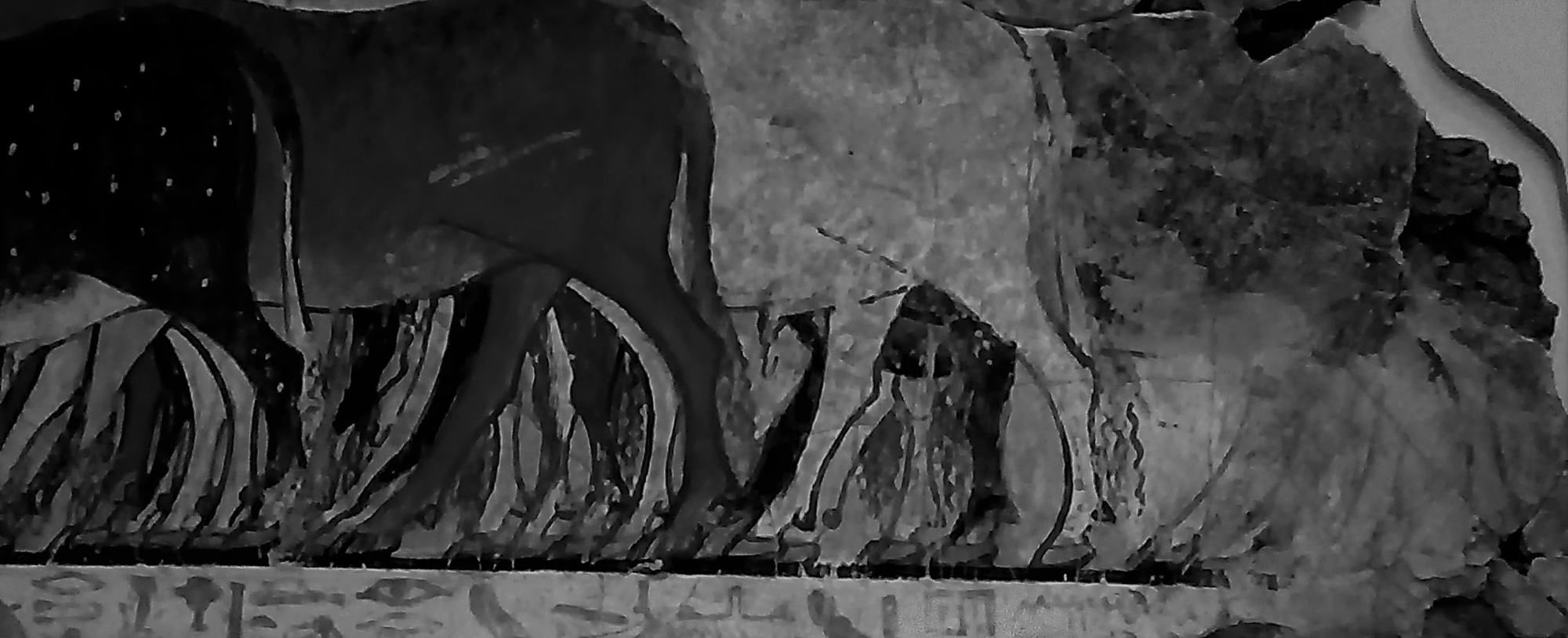 [8] Wall painting detail (c. 1350 BC) from the Tomb-chapel of Nebamun - Room 61,The British Museum, London - See, also, URL links: a). Flickr.com - https://www.flickr.com/photos/141521575@N02/ | b). Pinterest.co.uk - https://www.pinterest.co.uk/richardfuster1641/christmas-2018/
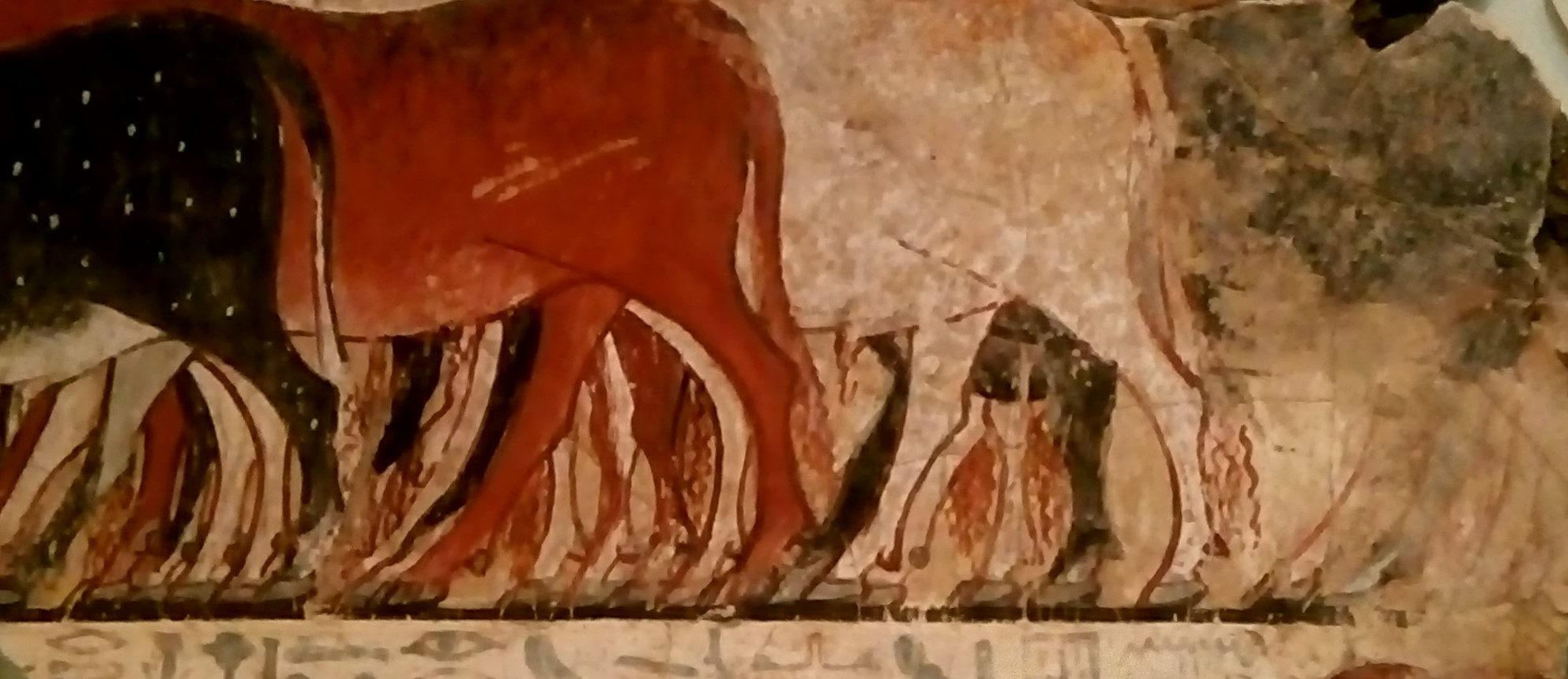 [9] Wall painting detail (c. 1350 BC) from the Tomb-chapel of Nebamun - Room 61,The British Museum, London - See, also, URL links: a). Flickr.com - https://www.flickr.com/photos/141521575@N02/ | b). Pinterest.co.uk - https://www.pinterest.co.uk/richardfuster1641/christmas-2018/
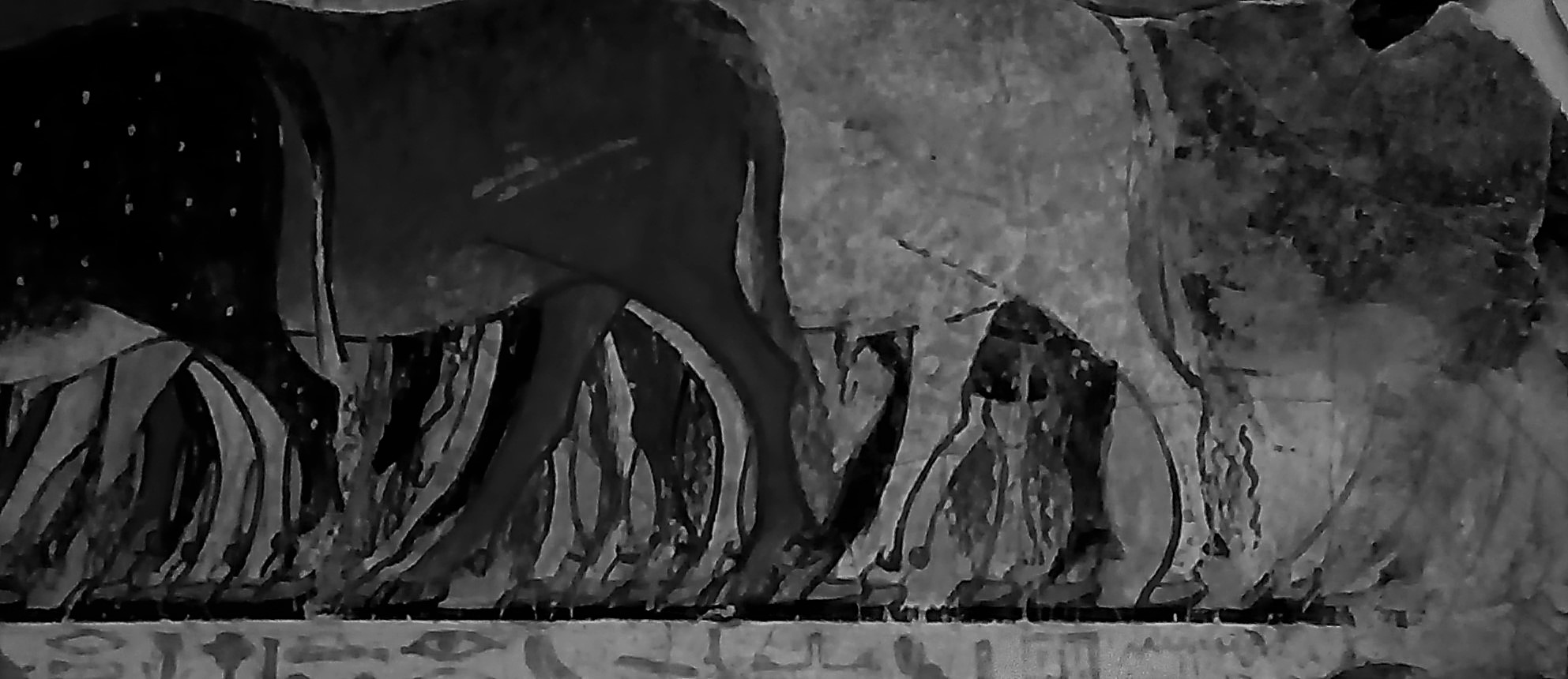 [10] Wall painting detail (c. 1350 BC) from the Tomb-chapel of Nebamun - Room 61,The British Museum, London - See, also, URL links: a). Flickr.com - https://www.flickr.com/photos/141521575@N02/ | b). Pinterest.co.uk - https://www.pinterest.co.uk/richardfuster1641/christmas-2018/
 [11] Wall painting detail (c. 1350 BC) from the Tomb-chapel of Nebamun - Room 61,The British Museum, London - See, also, URL links: a). Flickr.com - https://www.flickr.com/photos/141521575@N02/ | b). Pinterest.co.uk - https://www.pinterest.co.uk/richardfuster1641/christmas-2018/
 [12] Wall painting (c. 1350 BC) from the Tomb-chapel of Nebamun - Room 61,The British Museum, London - See, also, URL links: a). Flickr.com - https://www.flickr.com/photos/141521575@N02/ | b). Pinterest.co.uk - https://www.pinterest.co.uk/richardfuster1641/christmas-2018/
 [13] Wall painting (c. 1350 BC) from the Tomb-chapel of Nebamun - Room 61,The British Museum, London - See, also, URL links: a). Flickr.com - https://www.flickr.com/photos/141521575@N02/ | b). Pinterest.co.uk - https://www.pinterest.co.uk/richardfuster1641/christmas-2018/
 [14] 'Nebamun with his cattle' - Wall painting (c. 1350 BC) - See, also, URL links: a). Flickr.com - https://www.flickr.com/photos/141521575@N02/ | b). Pinterest.co.uk - https://www.pinterest.co.uk/richardfuster1641/christmas-2018/
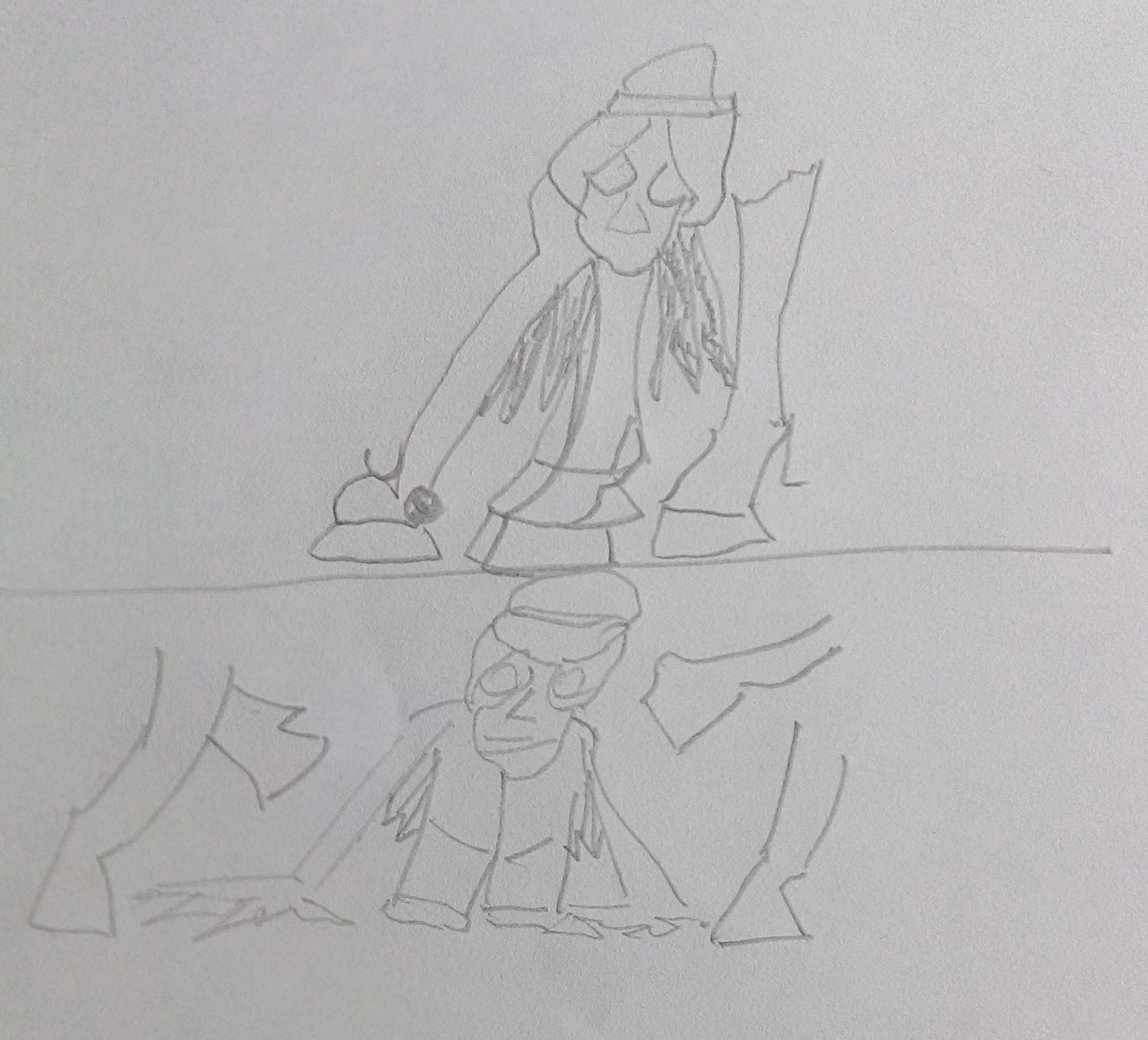 [15] Illustrative sketch - with reference to 'Nebamun with his cattle' - Wall Paintings, Room 61, The British Museum, London - See, also, URL links: a). Flickr.com - https://www.flickr.com/photos/141521575@N02/ | b). Pinterest.co.uk - https://www.pinterest.co.uk/richardfuster1641/christmas-2018/
Happy Christmas (2018) to Site123.com.
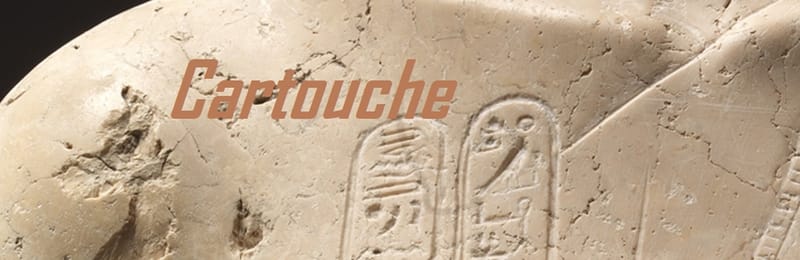
Moments in time: THE CARTOUCHE (AND SHEN RING) IN EGYPTIAN HIEROGLYPHS? - some examples from and some abstract illustrations concerning Ancient Egypt’s 18th Dynasty; with an exception,* from the Ptolemaic period:
Moments in time: THE CARTOUCHE (AND SHEN RING) IN EGYPTIAN HIEROGLYPHS? - some examples from and some abstract illustrations concerning Ancient Egypt’s 18th Dynasty; with an exception,* from the Ptolemaic period:
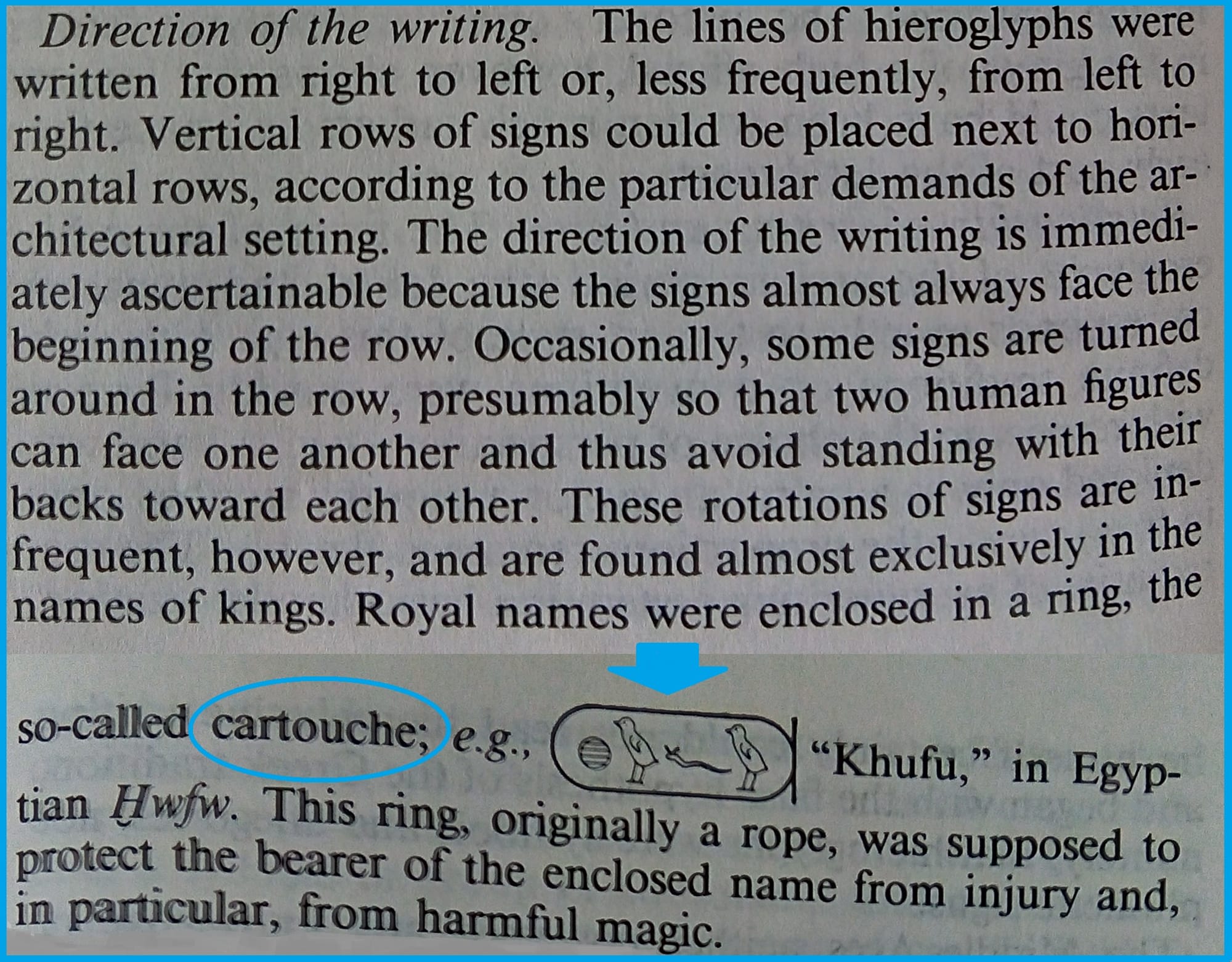
‘Writing: Hieroglyphic Writing’ - ‘Direction of the writing - The lines of hieroglyphs were written from right to left or, less frequently, from left to right. Vertical rows of signs could be placed next to horizontal rows, according to the demands of the architectural setting. The direction of the writing is immediately ascertainable because the signs almost always face the beginning of the row. Occasionally, some signs are turned around in the row, presumably so that two human figures can face one another and thus avoid standing with their backs toward each other. These rotations of signs are infrequent, however, and are found almost exclusively in the names of Kings. Royal names were enclosed in a ring, the so-called ‘cartouche’. This ring, originally a rope, was supposed to protect the bearer of the enclosed name from injury and from harmful magic’ (The New Encyclopædia Britannica, 2005, 15th Edition, Vol. 29 - ‘Writing: Hieroglyphic Writing’ - p. 1039).
Picture image details and source URLs, for the picture images, No. [1] - No. [15]:
No. [1] A description of the use of the ‘cartouche’ in Ancient Egypt. The New Encyclopædia Britannica’s description 2005, 15th Edition, Vol. 29 - ‘Writing: Hieroglyphic Writing’ - p. 1039.
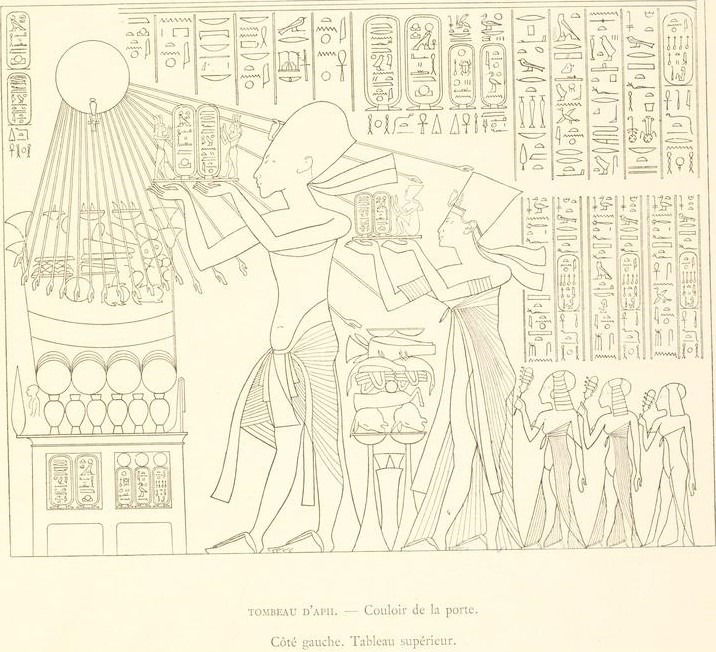
No. [2] An abstract illustration ‘picture-scape’ from the Great Temple of the Aten, Tell el-Amarna (Akhetaten) 18th Dynasty, Ancient Egypt; showing hieroglyphs related to Akhenaten, his ‘Great Royal Wife’ Nefertiti and their family (Nefertiti’s daughters) - Wikipedia.org - https://commons.wikimedia.org/wiki/Category:Nefertiti
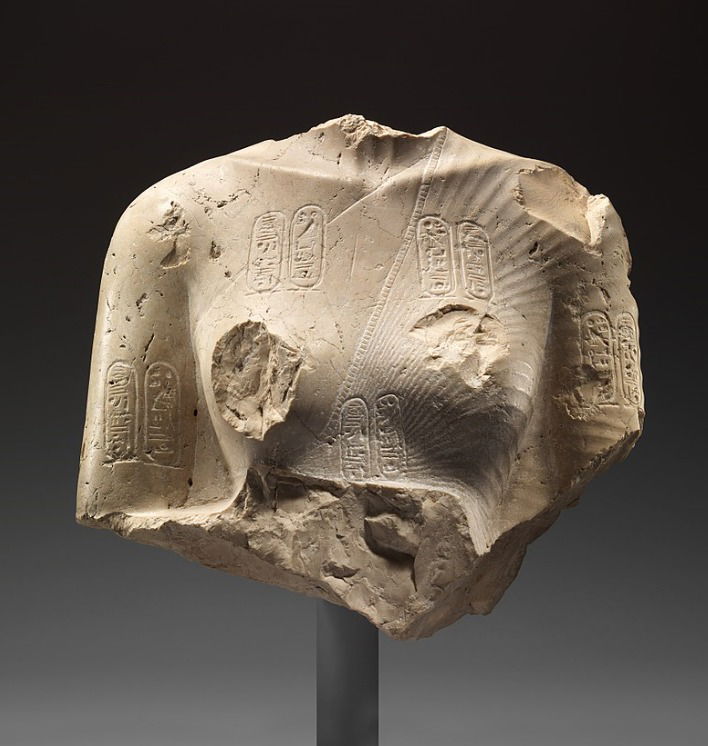
No. [3] The ‘Torso of Nefertiti - Aten ‘cartouches’’ held at The Metropolitan Museum of Art, New York (1): from the Great Temple of the Aten, Tell el-Amarna (Akhetaten) 18th Dynasty, Ancient Egypt; made from indurated limestone (Cir. 1352 - 1336 BC) - Wikimedia.org - https://commons.wikimedia.org/wiki/Category:Statues_of_Nefertiti
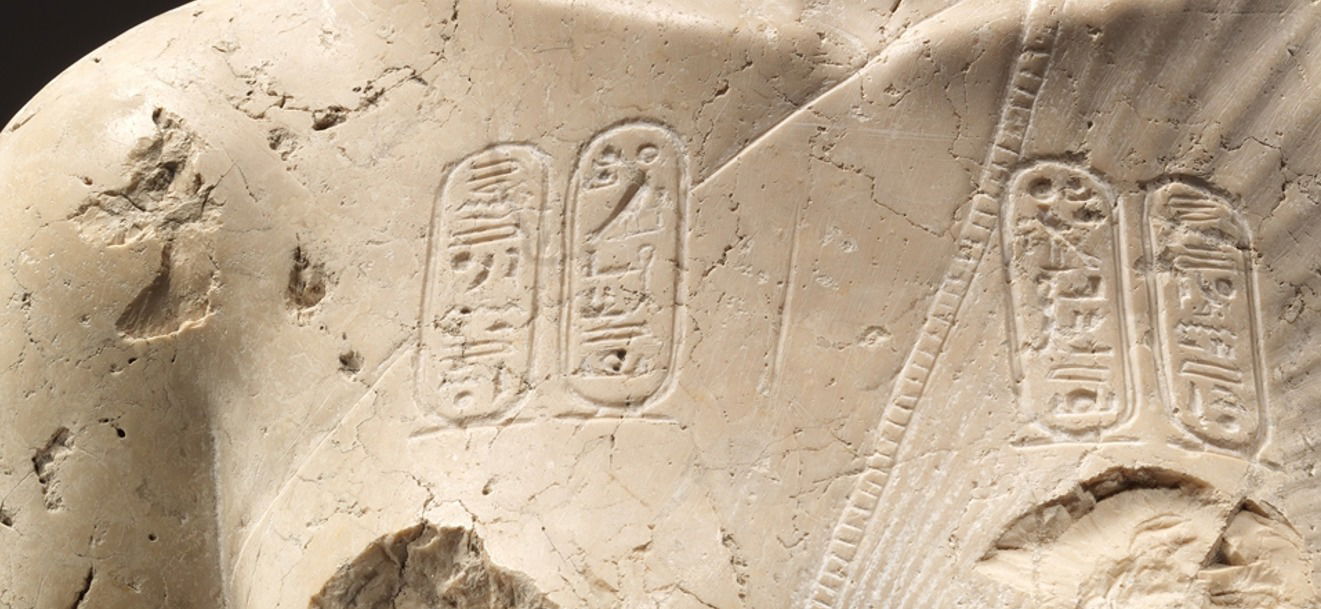
No. [4] A close-up image (see, No. [3]) highlighting the ‘cartouches’, left and right, found on the ‘Torso of Nefertiti - Aten ‘cartouches’’ held at The Metropolitan Museum of Art, New York (2): from the Great Temple of the Aten, Tell el-Amarna (Akhetaten) 18th Dynasty, Ancient Egypt; made from indurated limestone (Cir. 1352 - 1336 BC) - (Wikipedia.org - https://commons.wikimedia.org/wiki/Category:Statues_of_Nefertiti)
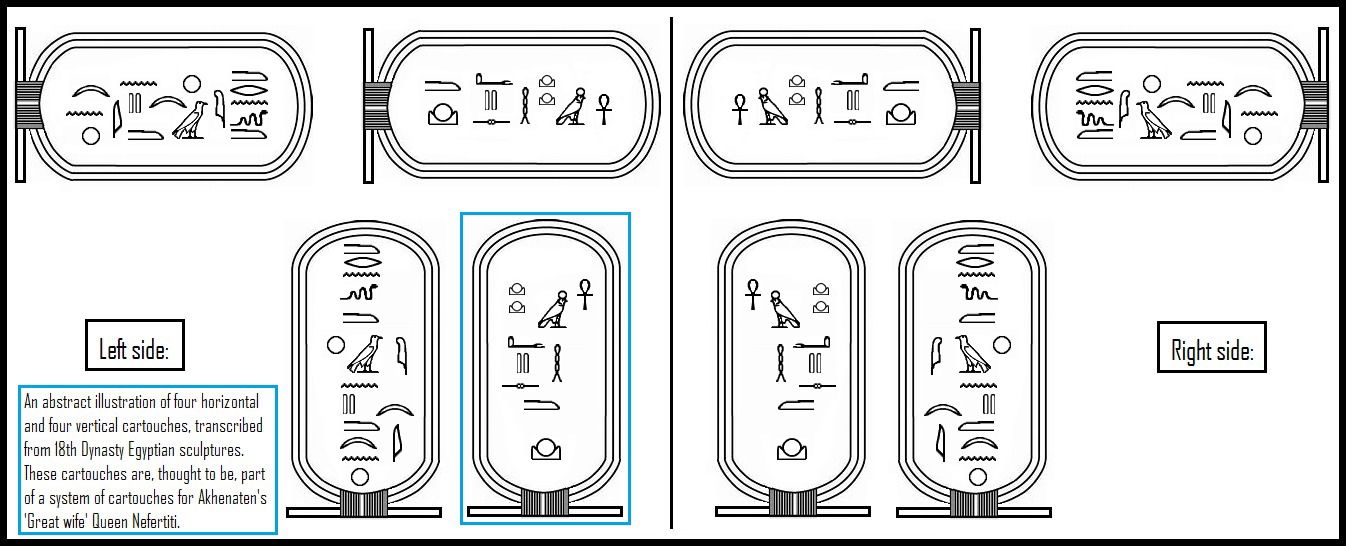
No. [5] An abstract illustration of the ‘cartouches’, left and right, found on the ‘Torso of Nefertiti - Aten ‘cartouches’’ held at The Metropolitan Museum of Art, New York: from the Great Temple of the Aten, Tell el-Amarna (Akhetaten) 18th Dynasty, Ancient Egypt; made from indurated limestone (Cir. 1352 - 1336 BC).
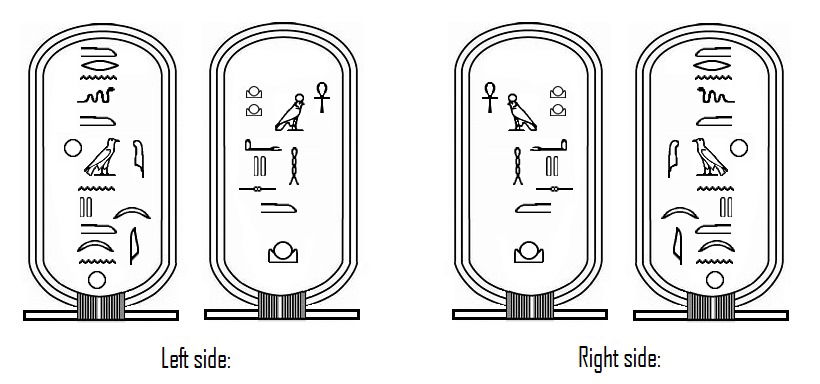
No. [6] An abstract illustration of the ‘cartouches’ and their location on the ‘Torso of Nefertiti - Aten ‘cartouches’’ held at The Metropolitan Museum of Art, New York: from the Great Temple of the Aten, Tell el-Amarna (Akhetaten) 18th Dynasty, Ancient Egypt; made from indurated limestone (Cir. 1352 - 1336 BC).
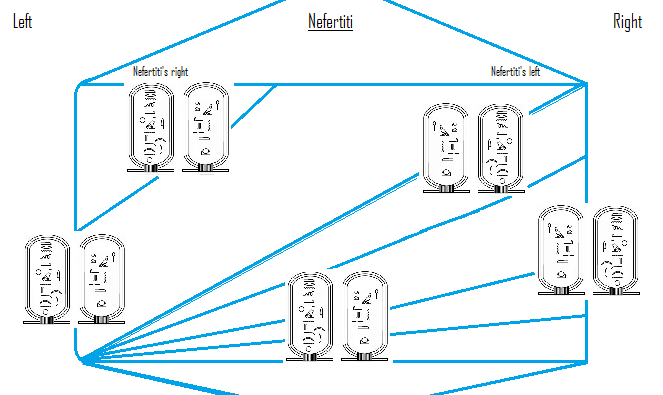
No. [7] An abstract illustration of some of the ‘cartouches’ that can be found as part of a chronological system as ‘nomenclator’ - for use as proper nouns - to identify (in this example - Nefertiti’s ‘Aten personification’) Nefertiti as: individual, queen, mother and an 18th Dynasty Ancient Egyptian originally from a specified region (Thebes) of ’Ancient Egypt’ (a person described as in form, time, and place).
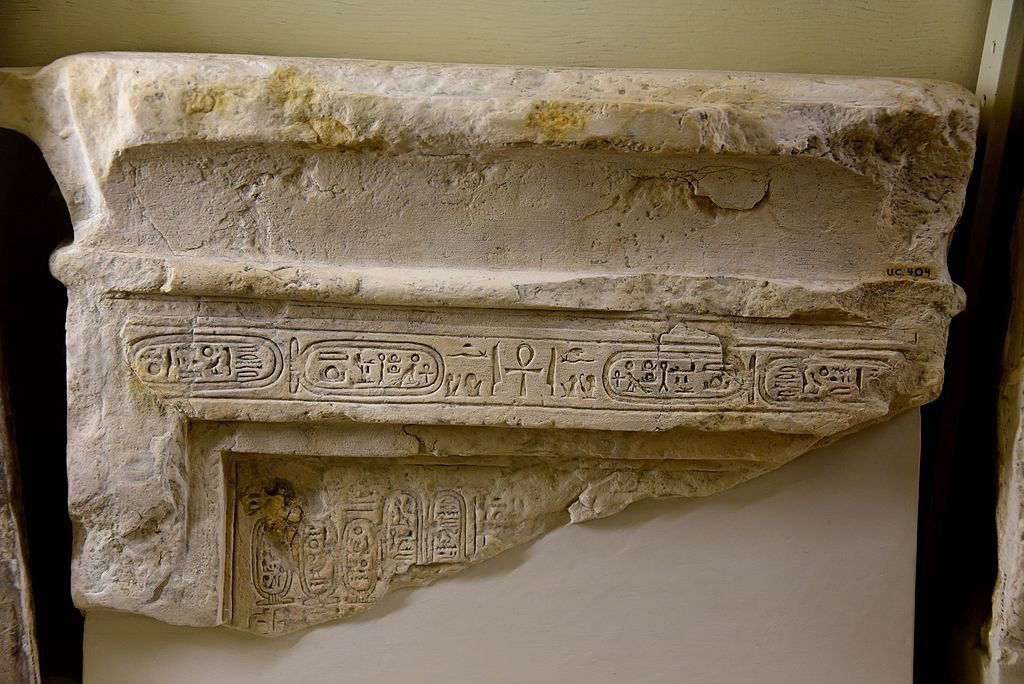
No. [8] An example of Nefertiti’s ‘Aten ‘cartouches’’ used on architectural sculpture (1): a fragment of a stela showing ‘cartouches’ of Akhenaten, Nefertiti, and Aten, Tell el-Amarna (Akhetaten) 18th Dynasty, Ancient Egypt, Petrie Museum of Egyptian Archaeology, London - Wikipedia.org - https://en.wikipedia.org/wiki/Cartouche
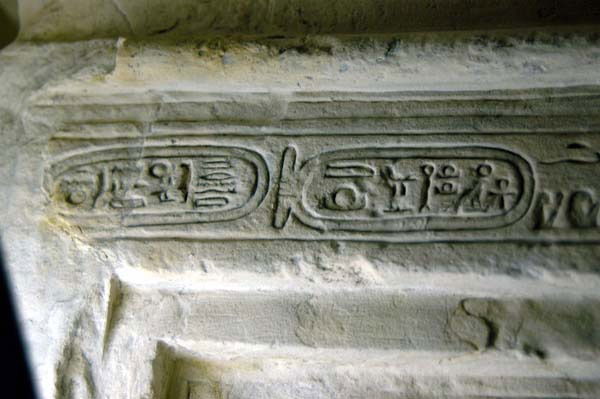
No. [9] A close-up image (see, No. [8]) of an example of Nefertiti’s ‘Aten ‘cartouches’’ used on architectural sculpture (2): a fragment of a stela showing ‘cartouches’ of Akhenaten, Nefertiti, and Aten, Tell el-Amarna (Akhetaten) 18th Dynasty, Ancient Egypt, Petrie Museum of Egyptian Archaeology, London - Ancient-egypt.co.uk - http://www.ancient-egypt.co.uk/index.htm
No. [10] An example of a wall painting (18th Dynasty) from the Tomb-chapel of Nebamun (Room 61) held at The British Museum, London - (Wikipedia.org - https://commons.wikimedia.org/wiki/Category:Tomb_of_Nebamun)

No. [10]b. Two hieroglyphic examples identified (‘inked’ in blue) in a wall painting (18th Dynasty) from the Tomb-chapel of Nebamun (Room 61) held at The British Museum, London: a. Hieroglyphic elements that form a ‘cartouche’; b. Nebamun holding a lassoed rope - representing a ‘Shen sign’- (Wikipedia.org - https://commons.wikimedia.org/wiki/Category:Tomb_of_Nebamun)

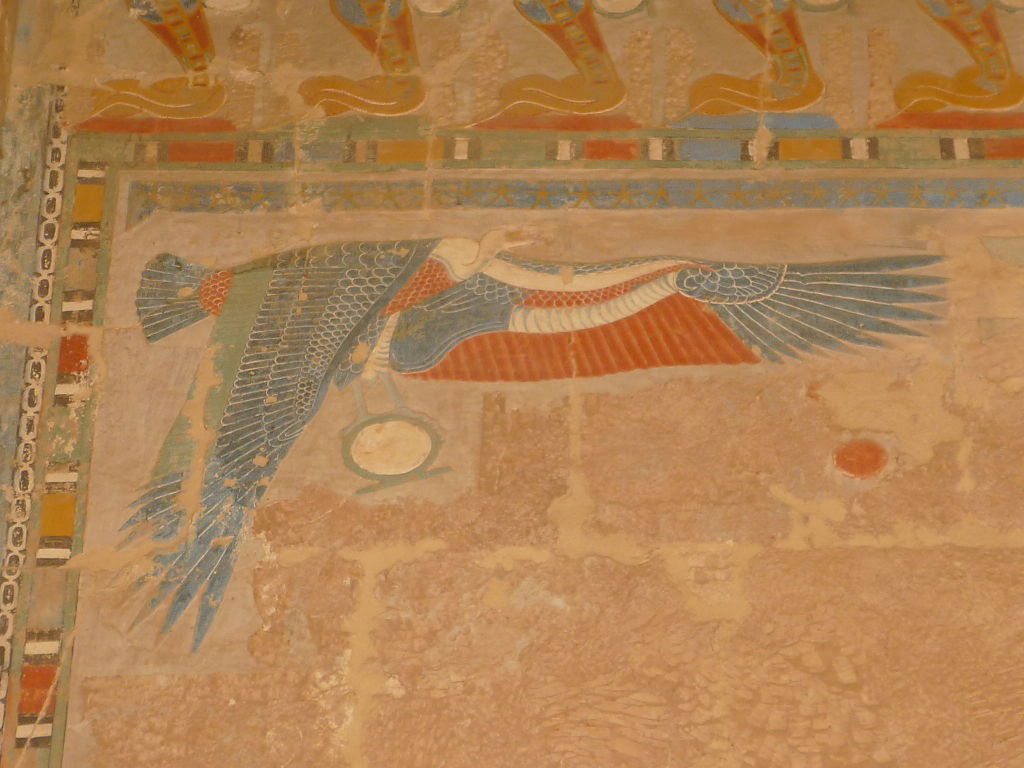
No. [11] The vulture goddess (Nekhbet) carrying a ‘Shen ring’ - the Mortuary Temple of (the 18th Dynasty pharaoh ‘queen’) Hatshepsut, Theban Necropolis, Deir el-Bahari, Egypt - Wikipedia.org - https://commons.wikimedia.org/wiki/Category:Shen_ring
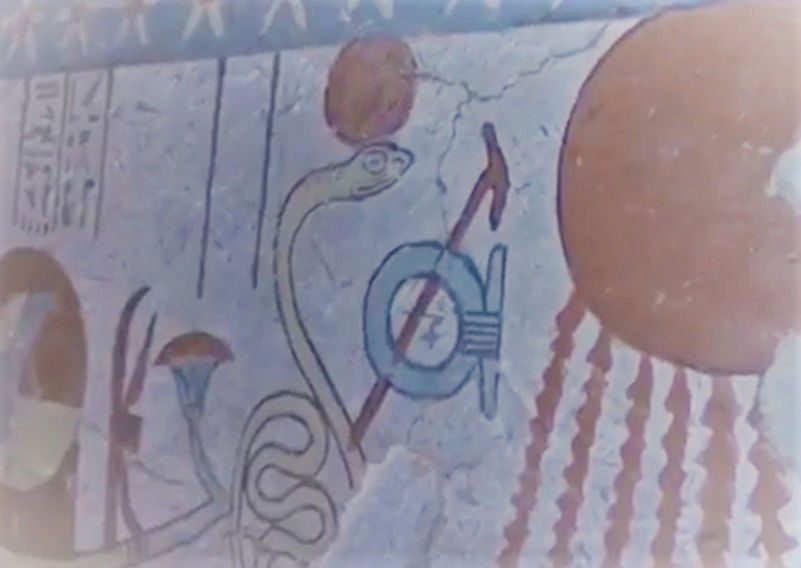
*No. [12] A ‘Shen ring’ from the Ptolemaic period (Cir. 320 BC) - a hieroglyphic painting with a snake motif (possibly a ‘nome’ reference as ‘Wadjet’) from the newly discovered tomb (Oct. 2018) al-Dayabat, Sohag, Egypt - (see, the BBC video, in the web-page, for the picture image) - Archaeology newsnetwork.blogspot.com - https://archaeologynewsnetwork.blogspot.com/2019/04/ptolemaic-era-tomb-discovered-in-upper.html#IKdkEkdFsDYggR3B.97
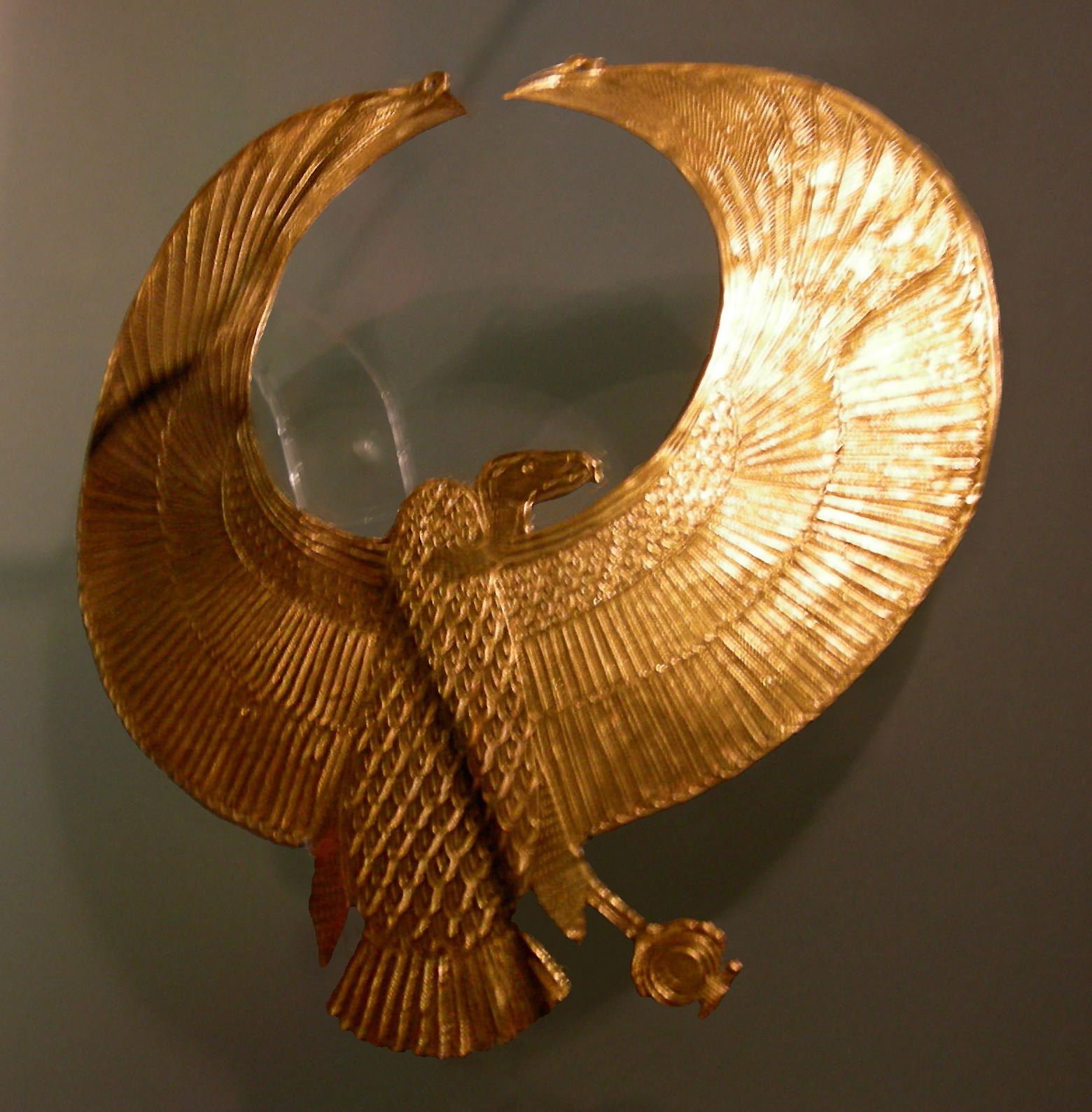
No. [13] The vulture goddess (Nekhbet) carrying a ‘Shen ring’ - the Ancient Egyptian Royal vulture pectoral which was found placed on the head of the mysterious late 18th Dynasty pharaoh in ‘Tomb KV 55’ (1907) in the Valley of the Kings. It is thought that the pharaoh ‘king’ was either Akhenaten or Smenkhkare, of the ‘Amarna period’ - Wikipedia.org - https://en.wikipedia.org/wiki/KV55
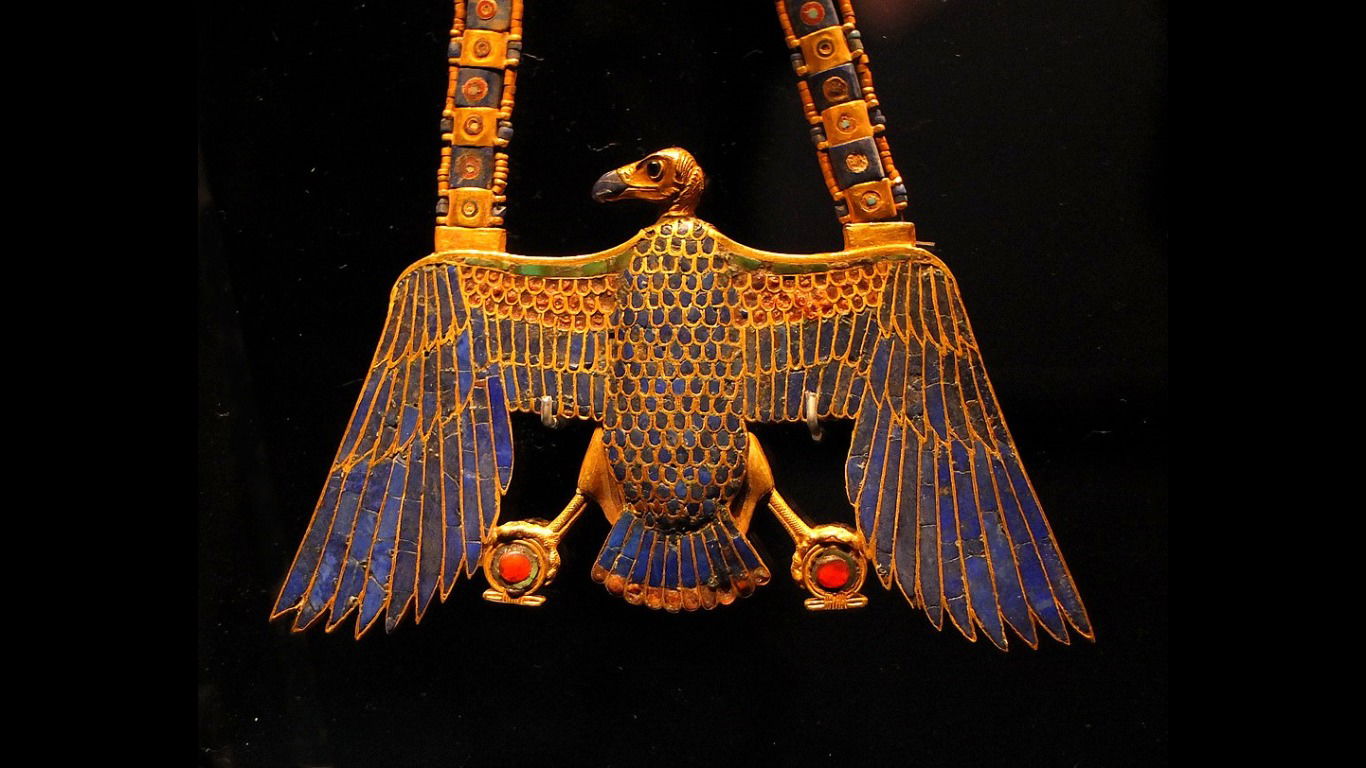
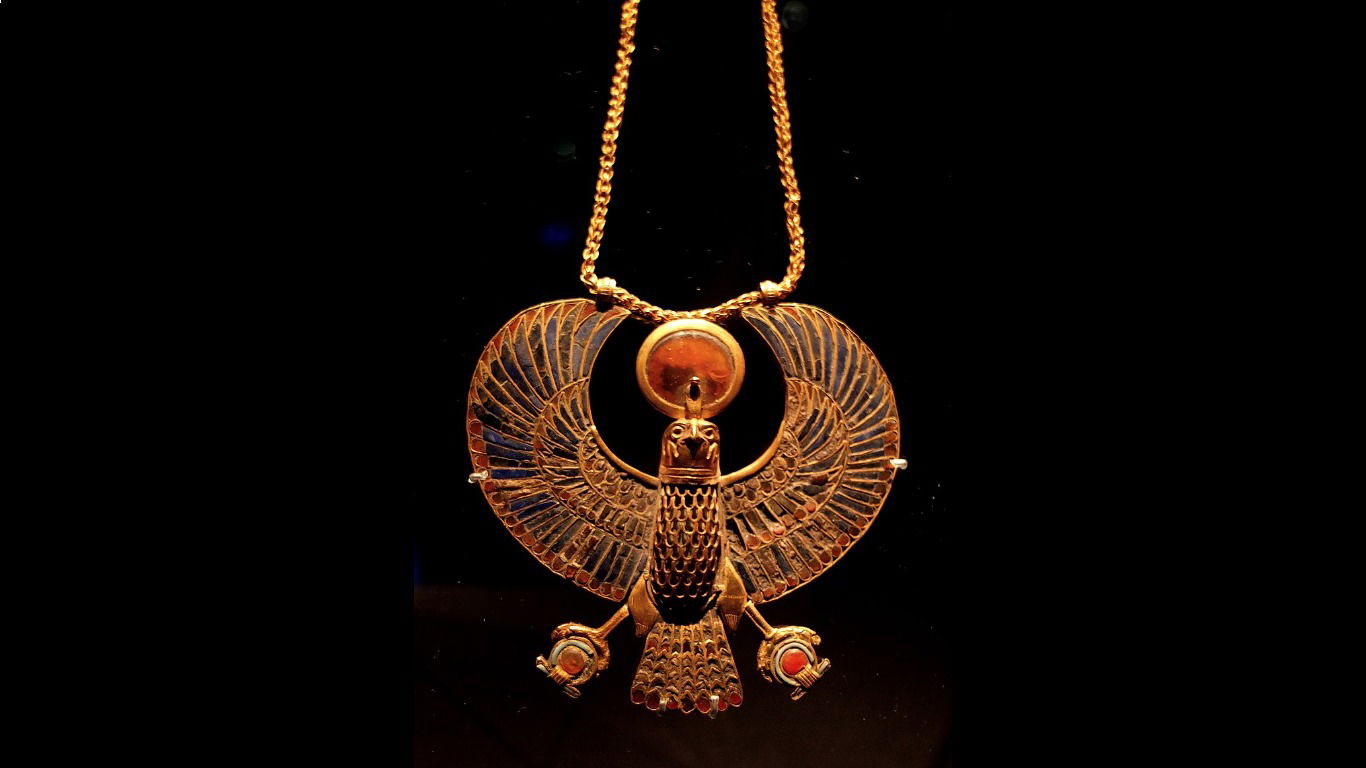
No. [14] The vulture goddess (Nekhbet) carrying in both talons a ‘Shen ring’ - jewellery ‘discovered on the mummy’ of ‘Tomb KV 62’ (1922) Tutankhamen’s tomb - Wikipedia.org - https://commons.wikimedia.org/wiki/Category:Treasure_of_Tutankhamun
No. [15] The falcon god (‘Horus’ as Ra-Harakhty) carrying in both talons a ‘Shen ring’ - jewellery ‘discovered on the mummy’ of ‘Tomb KV 62’ (1922) Tutankhamen’s tomb - Wikipedia.org - a. https://commons.wikimedia.org/wiki/Category:Treasure_of_Tutankhamun | b. (further examples of the ‘Shen ring’) - https://commons.wikimedia.org/wiki/Category:Amulets_of_Tutankhamun
TEXT END: MAY 2019.
- Below are an assortment of tables, illustrations and photographic picture images that provide didactic information and ‘collectable’ examples for an appraisal of canopic equipment discovered in the tombs of Ancient Egypt: the whole article, as one contextual process, is thought to be necessarily followed through - as stage after stage of collated information; for use in the future as further examples become available.
'CANOPIC EQUIPMENT IN ANCIENT EGYPT'
CONTENTS:
SECTION 1: 'ABSTRACT HIEROGLYPHS FREQUENTLY USED FOR CANOPIC IDENTITY IN ANCIENT EGYPT'
TABLE 1: AND TABLE 2:
ILLUSTRATION PICTURE IMAGES: Figure 1. - Figure 8.
TABLE 3:
SECTION 2: 'CANOPIC JARS: PART OF A ‘PROCESS OF MUMMIFICATION’ IN ANCIENT EGYPT'
ILLUSTRATION PICTURE IMAGES: Figure 9. - Figure 10.
TABLE 4:
ILLUSTRATION PICTURE IMAGES: Figure 11. - Figure 14.
REFRENCES AND SOURCE URLS:
FURTHER READING:
RICHARD PETER FUSTER JULY 2019
SECTION 1:
'ABSTRACT HIEROGLYPHS FREQUENTLY USED FOR CANOPIC IDENTITY IN ANCIENT EGYPT'
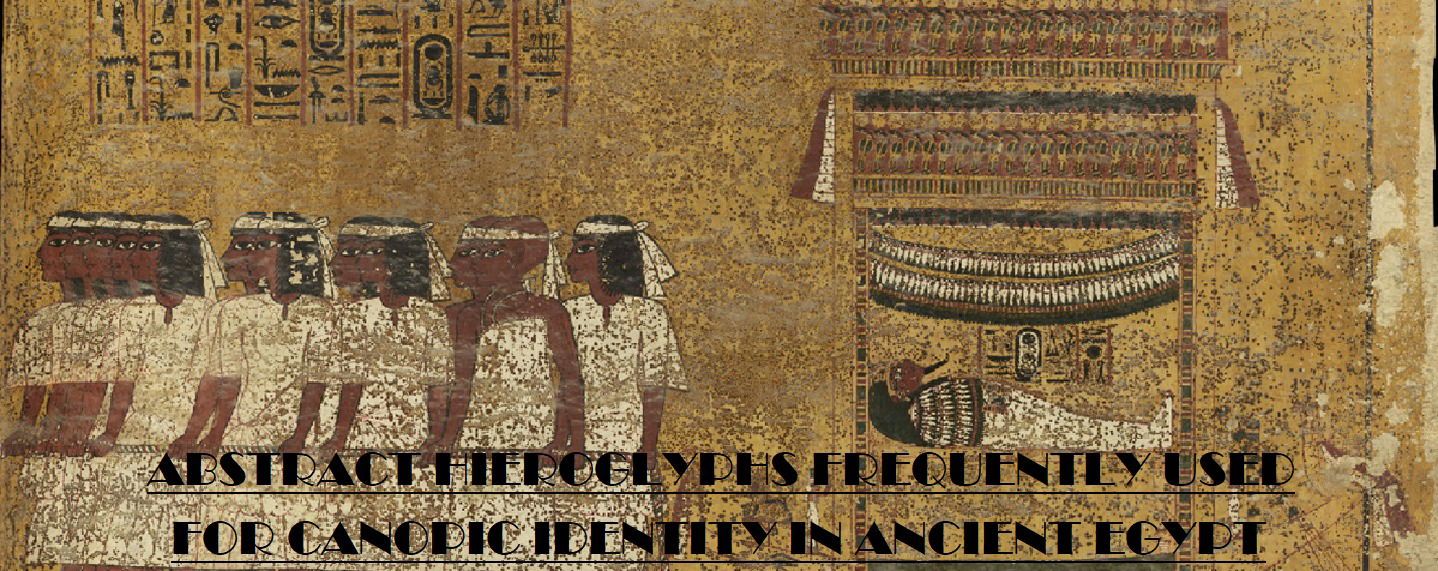

TABLE 1: AND TABLE 2:
Table 1: HIEROGLYPHIC ILLUSTRATION FOR EACH OF THE ‘FOUR SONS OF HORUS’ AND THEIR PROTECTIVE GODDESSES - general index
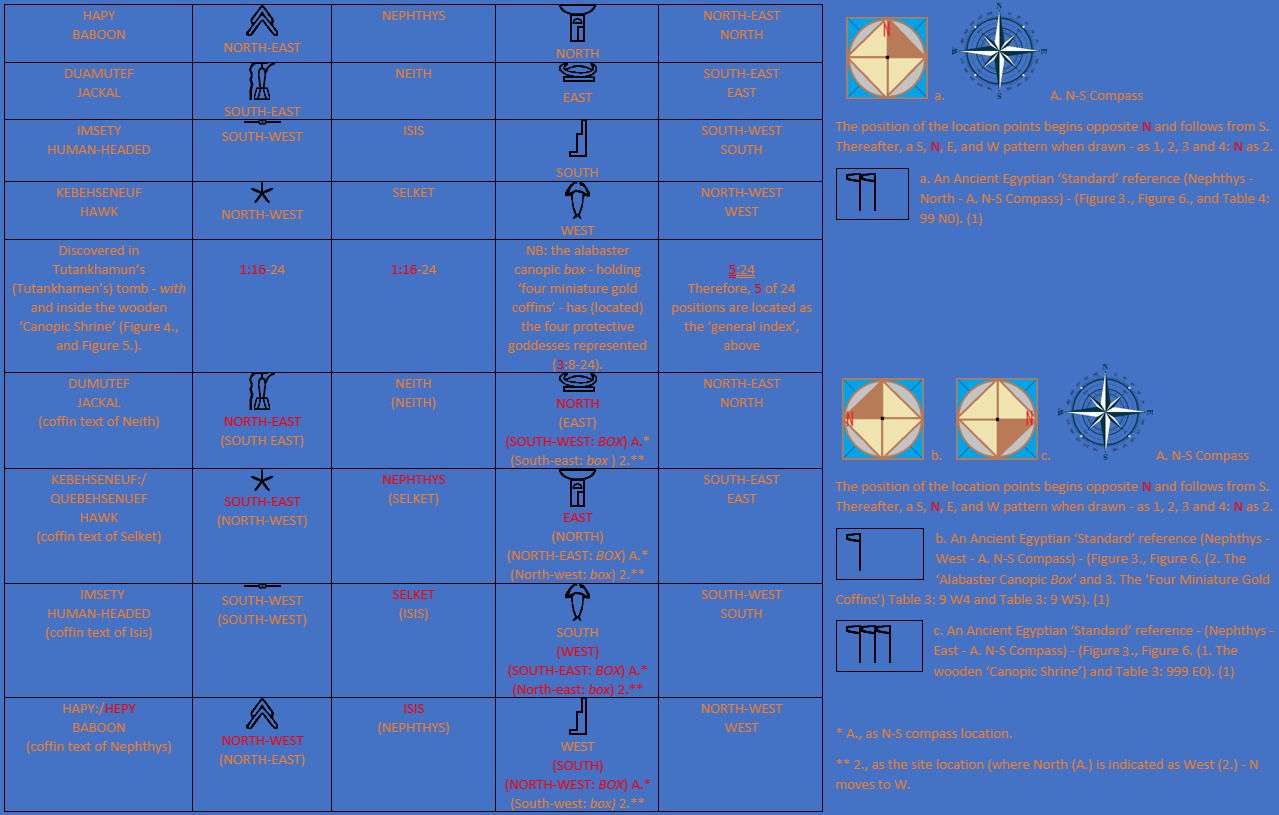
Table 2: BOOK OF THE DEAD - BOOK OF ANI (Cir. 1250 BC) - replicates the details from the general index (Table 1).

ILLUSTRATION PICTURE IMAGES: Figure 1. - Figure 6.
Figure 1., and Figure 2.
Figure 1.
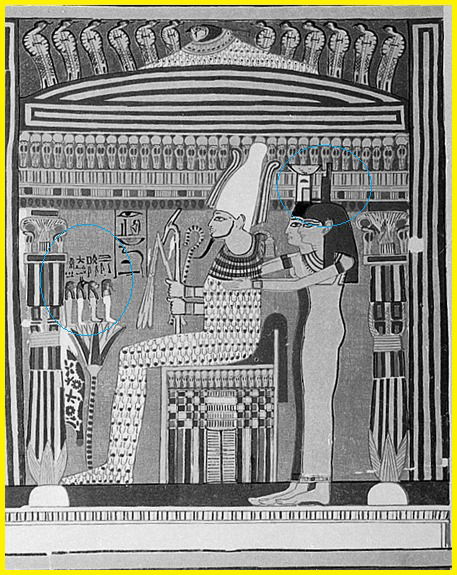
Figure 1: and Figure 2: https://commons.wikimedia.org/wiki/Category:Papyrus_of_Ani#/media/File:Book_of_the_Dead,_The_presentation_of_Ani_to_Osirir._Wellcome_L0005450.jpg | examples of the ‘Four Sons of Horus’: Imsety, Hapy, Duamutef and Kebehseneuf; and the goddesses Isis and Nephthys - indicated inside the blue inked rings. The goddesses are facing towards the WEST whilst the ‘Four Sons of Horus’ face towards the EAST. The position of the goddesses indicates SOUTH and NORTH. The positions of the ‘Four Sons of Horus’ can be assessed as SOUTH, NORTH, EAST and WEST: 1, 2, 3 and 4 - NORTH as 2 (facing towards the EAST) - (Figure 2., below, for a larger picture with more hieroglyphic elements).
Figure 2.
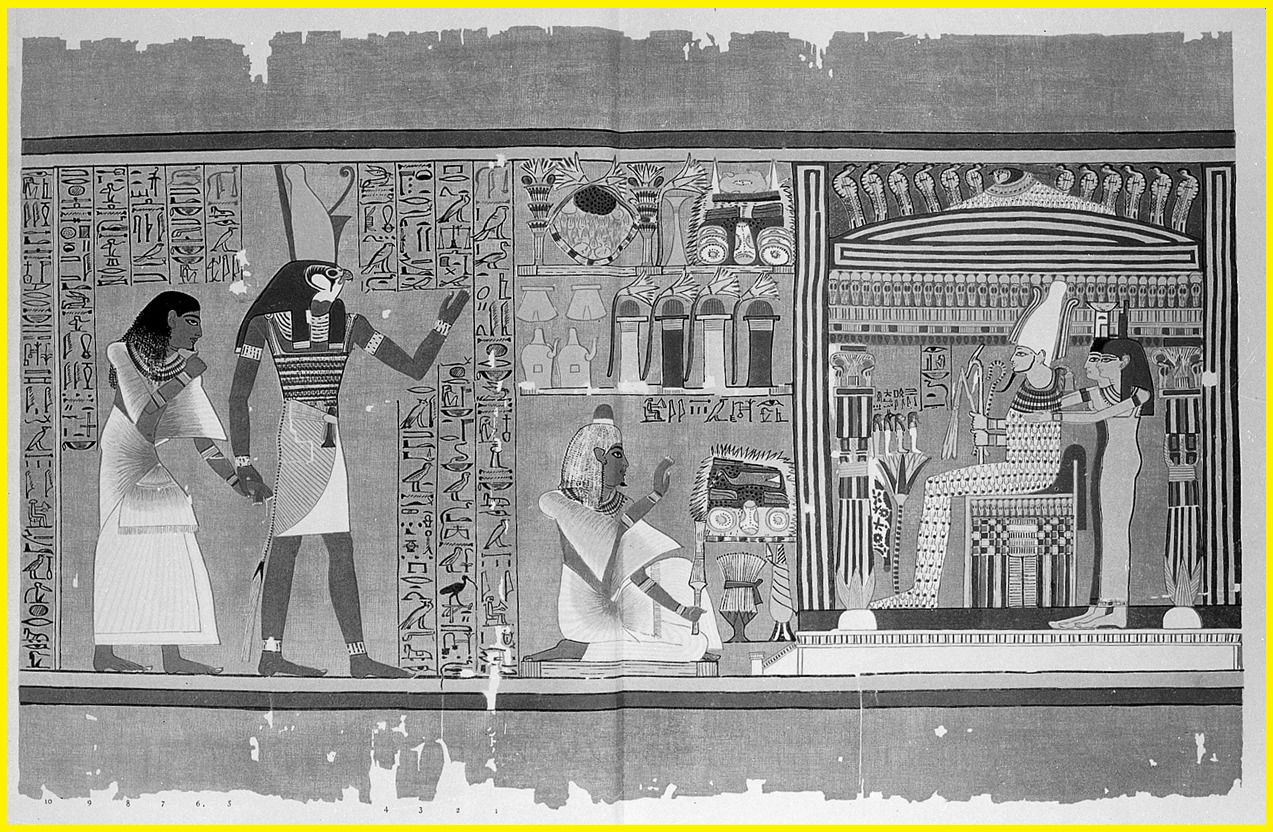
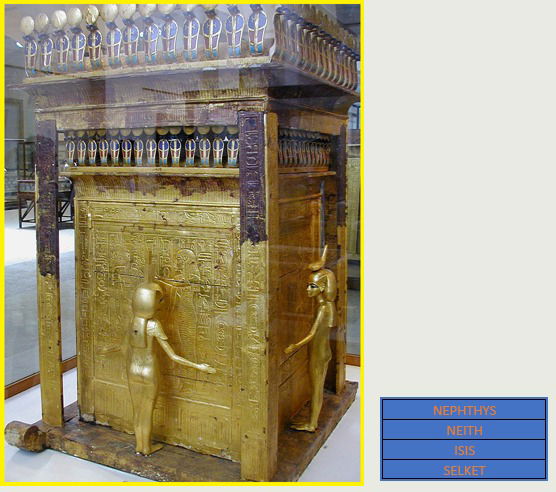
Figure 3. https://commons.wikimedia.org/wiki/Category:Canopic_chest_of_Tutankhamun | Tutankhamun’s wooden ‘Canopic Shrine’ - protected by the four goddesses: ISIS (left) and SELKET (right) can be seen in the photograph. ISIS has been placed at the front (WEST) of the wooden ‘Canopic Shrine': NEPHTHYS, NEITH, ISIS, SELKET.
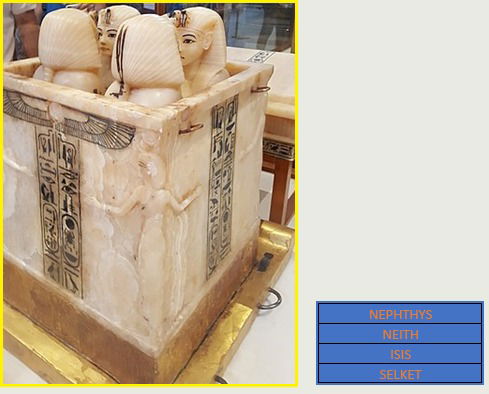
Figure 4. https ://commons.wikimedia.org/wiki/Category :Alabaster_canopic_chest_of_Tutankhamun | Tutankhamun’s ‘canopic alabaster box’ discovered within the wooden ‘Canopic Shrine’. On each corner are the four protective goddesses: NEPHTHYS, NEITH, ISIS and SELKET. (2)
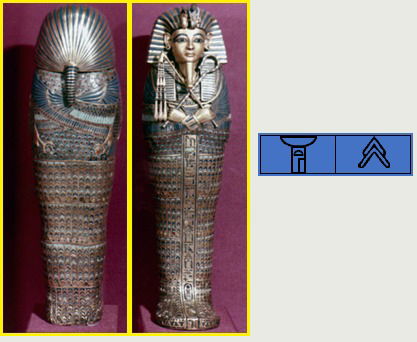
Figure 5. https://egypt-museum.com/search/gold+canopic+coffin
One of the ‘four miniature gold coffins’ discovered within the ‘alabaster canopic box’ - discovered within Tutankhamun’s wooden ‘Canopic Shrine’ | reference identity: Tutankhamun’s canopic container (one of ‘four miniature gold coffins’) protected by the goddess Nephthys and with the representative authority of Hapy. (3)
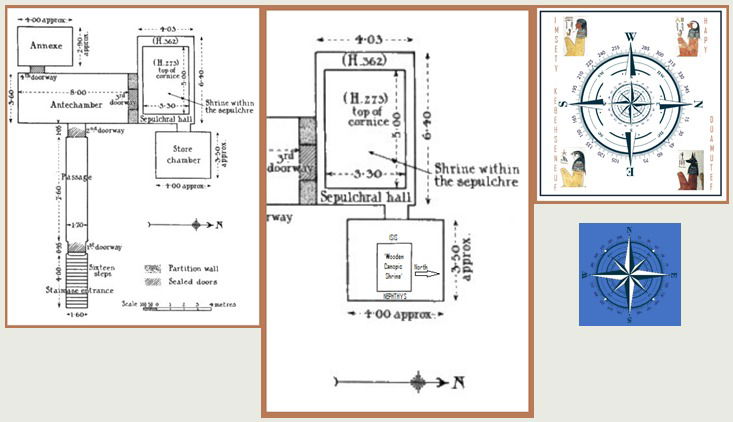
Figure 6.
a. The floor plan of Tutankhamun’s tomb drawn by Howard Carter.
b. The position of the ‘Wooden Canopic Shrine’ within Tutankhamun’s tomb.
c. The position of each of the ‘Four Sons of Horus’, identified on each of the ‘four miniature gold coffins’, discovered within the wooden ‘Canopic Shrine’; within the alabaster canopic box’: Hapy, goddess Nephthys (Figure 5.) is positioned NORTH-WEST.
d. An illustration of the positions of the protective goddesses represented with and inside the wooden ‘Canopic Shrine’.
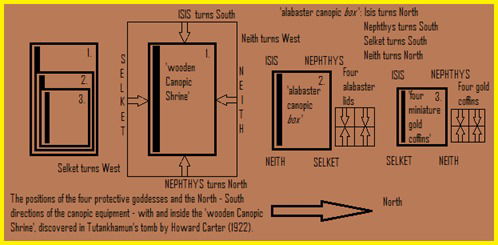
d. 1. The wooden ‘Canopic Shrine’ (Table 1: and Table 3: 999 E0).
2. The ‘Alabaster Canopic Box’ (Table 1: and Table 3: 9 W4).
3. The ‘Four Miniature Gold Coffins’ (Table 1: and Table 3: 9 W5).
TABLE 3:
Table 3: A SCHEDULE THAT IDENTIFIES THE COMBINATIONS OF FOUR COMPASS LOCATIONS WITH THE FOUR PROTECTIVE GODDESSES (Table 1.); that generates a quartered pattern in a square.
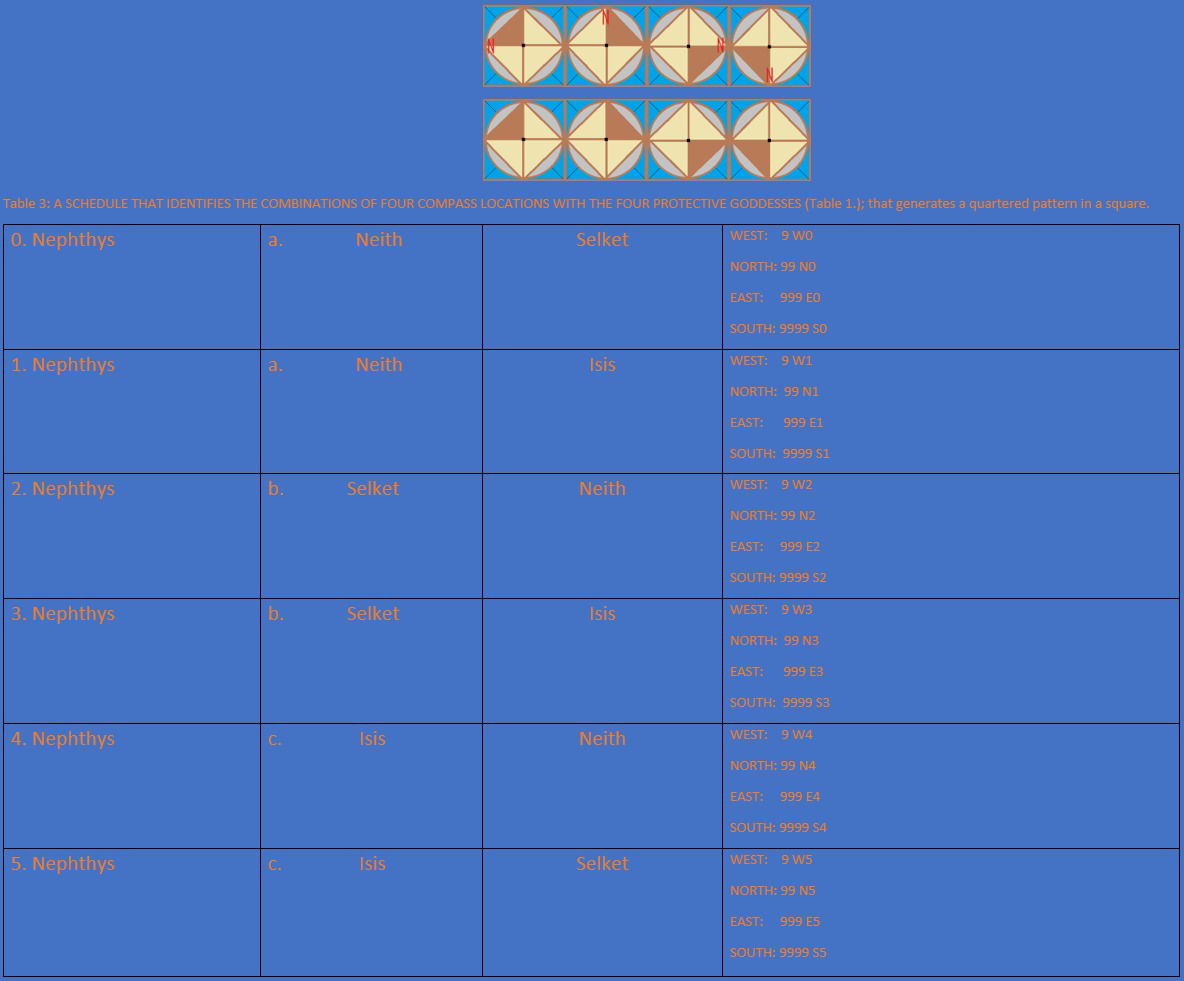

SECTION 2:
'CANOPIC JARS: PART OF A ‘PROCESS OF MUMMIFICATION’ IN ANCIENT EGYPT'
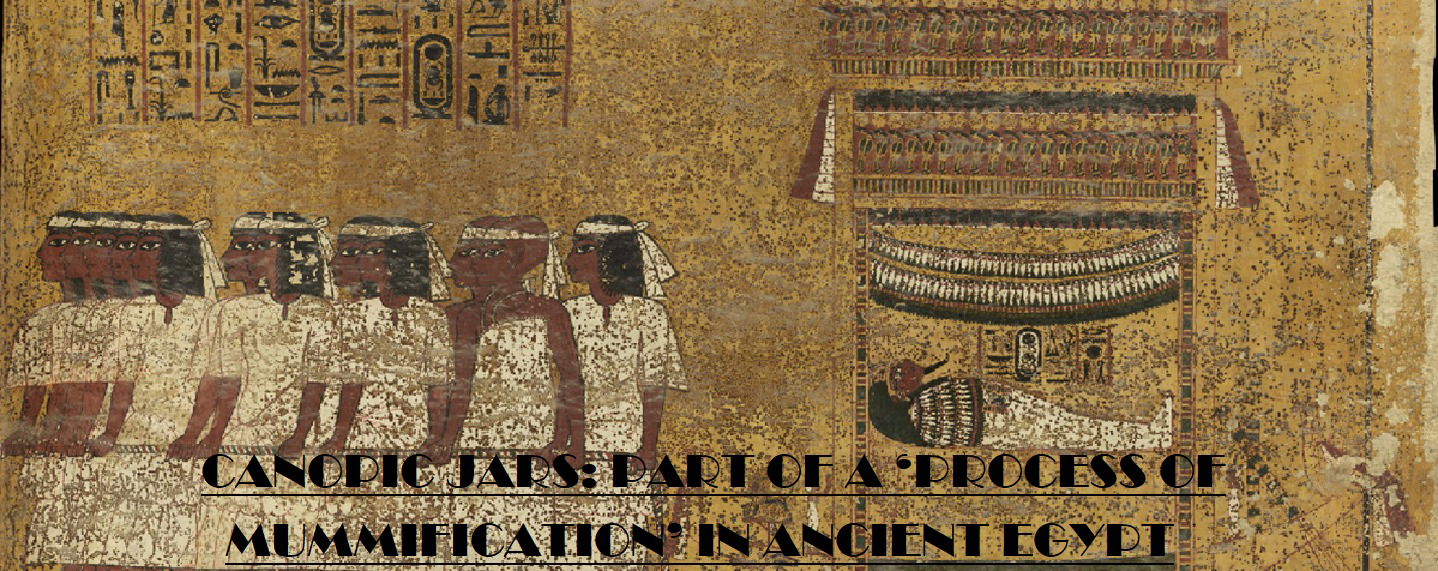
- The ‘Four Sons of Horus’ provide an identity for containers that hold the viscera taken, after death, from a corpse; before the ‘process of mummification’ for the corpse - practised by the Ancient Egyptians - can begin.
ILLUSTRATION PICTURE IMAGES: Figure 7. - Figure 8.
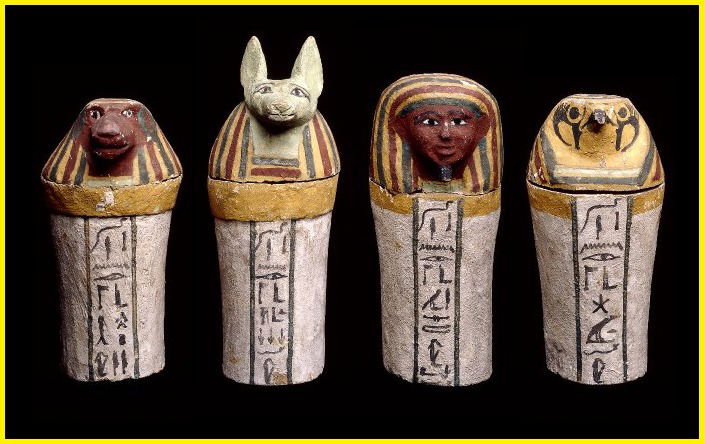
Figure 7. https://www.britishmuseum.org/research/collection_online/collection_object_details.aspx?assetId=30953001&objectId=117313&partId=1 | b. Wikipedia.org - https://en.wikipedia.org/wiki/Four_sons_of_Horus | Canopic jars with lids in the form of the ‘Four Sons of Horus’ and hieroglyphic ‘formulas’ on the front - 25th Dynasty (732 BC - 653 BC - Third Intermediate Period) - (Table 4).
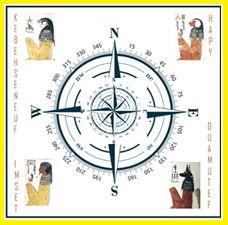
Figure 8. http://www.crystalwind.ca/mystical-magical/pantheons-and-myths/egyptian/egyptian-gods-four-sons-of-horus | b. https://en.wikipedia.org/wiki/Four_sons_of_Horus | N-S compass locating the ‘Four Sons of Horus’ with a compass point.
TABLE 4:
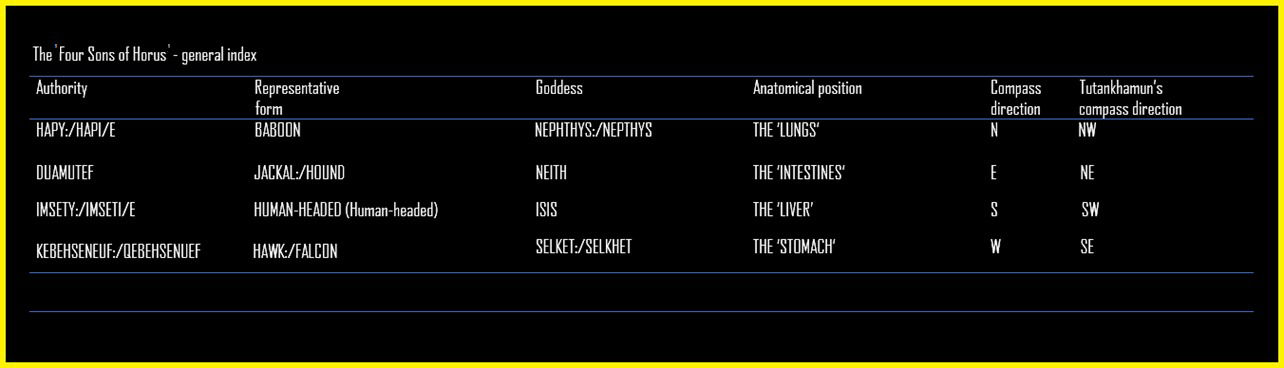
Table 4: http://ccivcopy.site.wesleyan.edu/project-6/egyptian-vases-and-canopic-jars/ | b. https://en.wikipedia.org/wiki/Four_sons_of_Horus
THIS TABLE PROVIDES THE REFERENCE INFORMATION DETAILS FOR THE “FOUR SONS OF HORUS’ - general index’ (Table 1:).
• ‘During the First Intermediate Period, canopic jars started to feature human-headed lids … from (as early as the 4th Dynasty) (4) the late Old Kingdom … the four basic organs removed from a body became associated with specific deities, known collectively as the ‘Four Sons of Horus’ … (and later) from the late 18th Dynasty onward (the New Kingdom) … jars followed Middle Kingdom patterns (with human-headed lids - ‘as portraits of the deceased’) … as the period progressed (however) more (examples have) adopted the animal and bird heads of three of the genii (authorities) which they now clearly represented’ (whilst still being associated with each of their individual protective goddesses). (5)
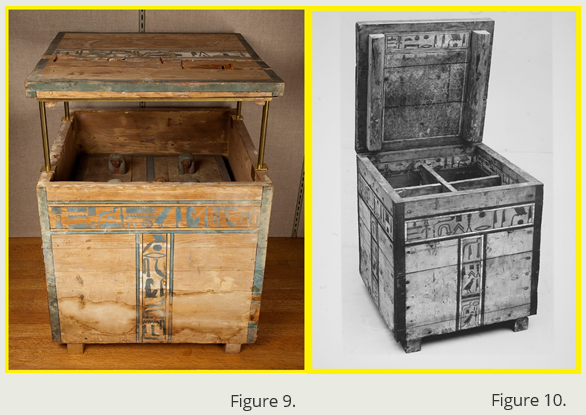
Figure 9. https://www.metmuseum.org/art/collection/search/546275?sortBy=Title&where=Egypt&ao=on&od=on&ft=112&offset=0&rpp=20&pos=8 | the ‘’canopic chest of Senbi’ 12th Dynasty (Cir. 1961 BC - 1878 BC - Middle Kingdom) this canopic box was part of the burial equipment of the steward Senbi. The box is inscribed with recitations of the ‘Four Sons of Horus’ and invocation of offerings in the name of Anubis. The inner lid is surmounted by four wooden heads representing the ‘Four Sons of Horus’, the guardians of the viscera’ (Met Museum).
Figure 10. https://www.metmuseum.org/art/collection/search/546312 | the ‘’canopic chest of Ukhhotep’ 12th Dynasty (Cir. 1981 BC - 1802 BC - Middle Kingdom) this canopic chest belonged the chief treasurer Ukhhotep, son of Hedjpu. Its exterior decoration matches that of his coffin and contains inscriptions stating that the deceased is honoured by the ‘Four Sons of Horus” (Met Museum).
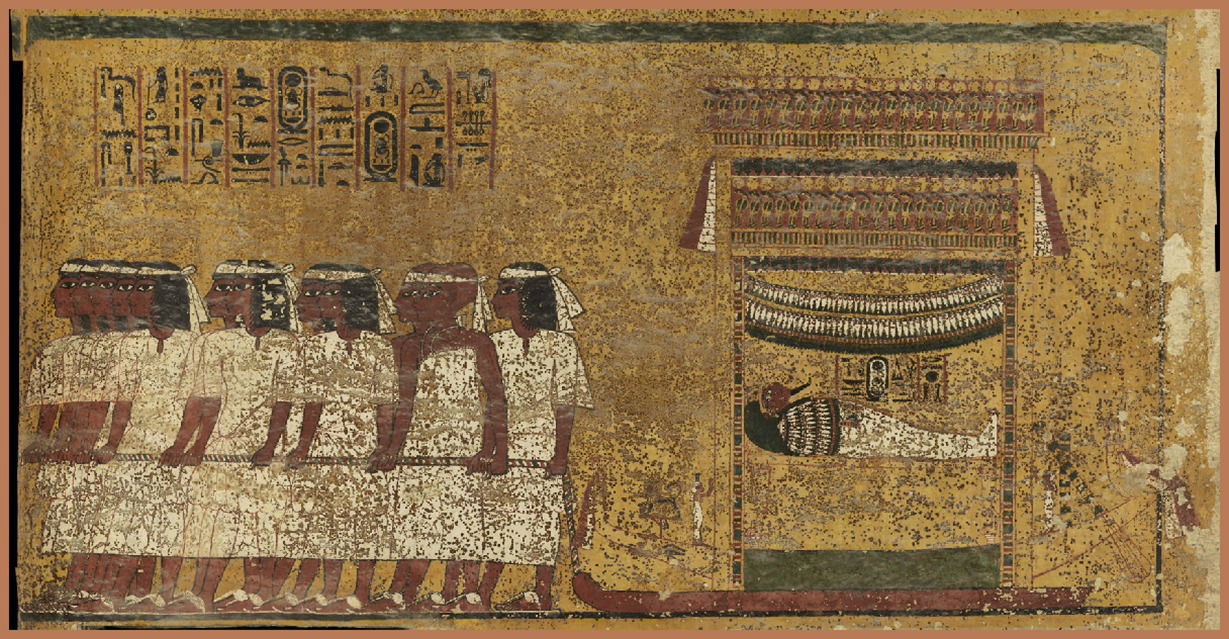
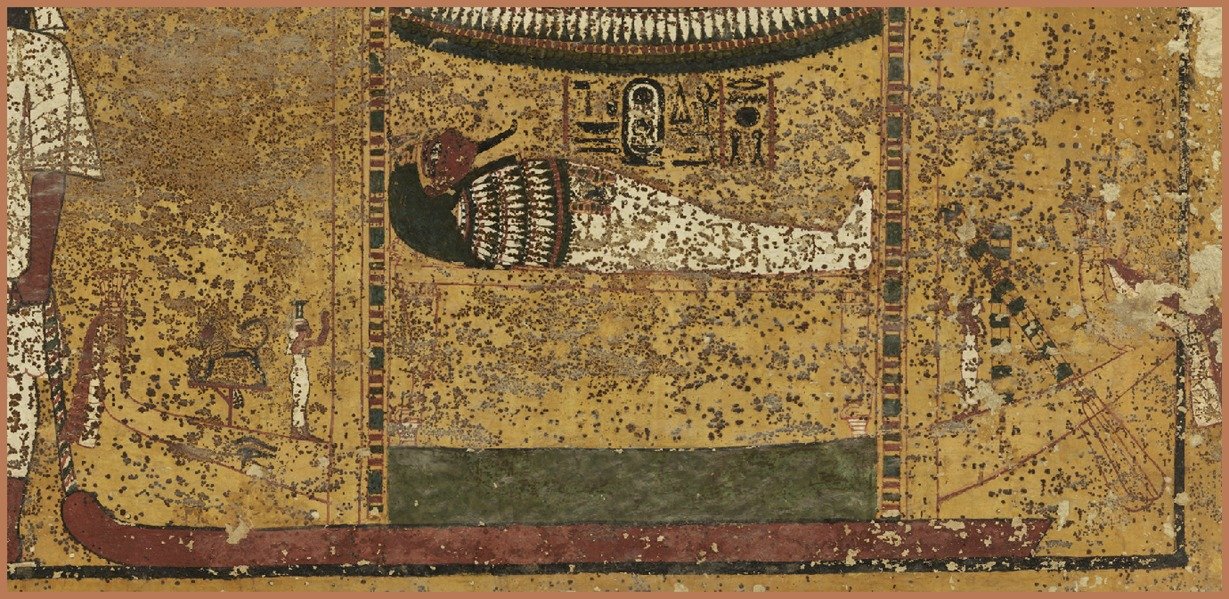
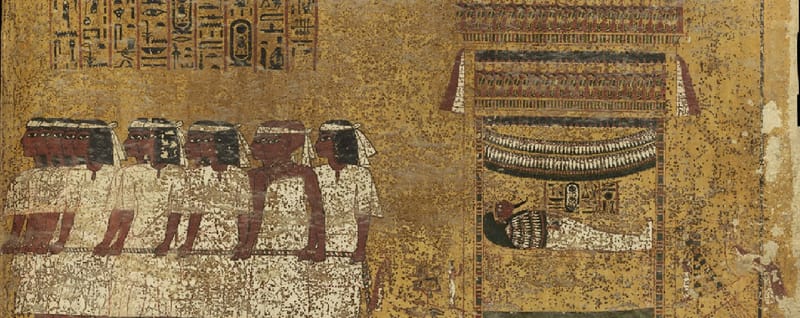
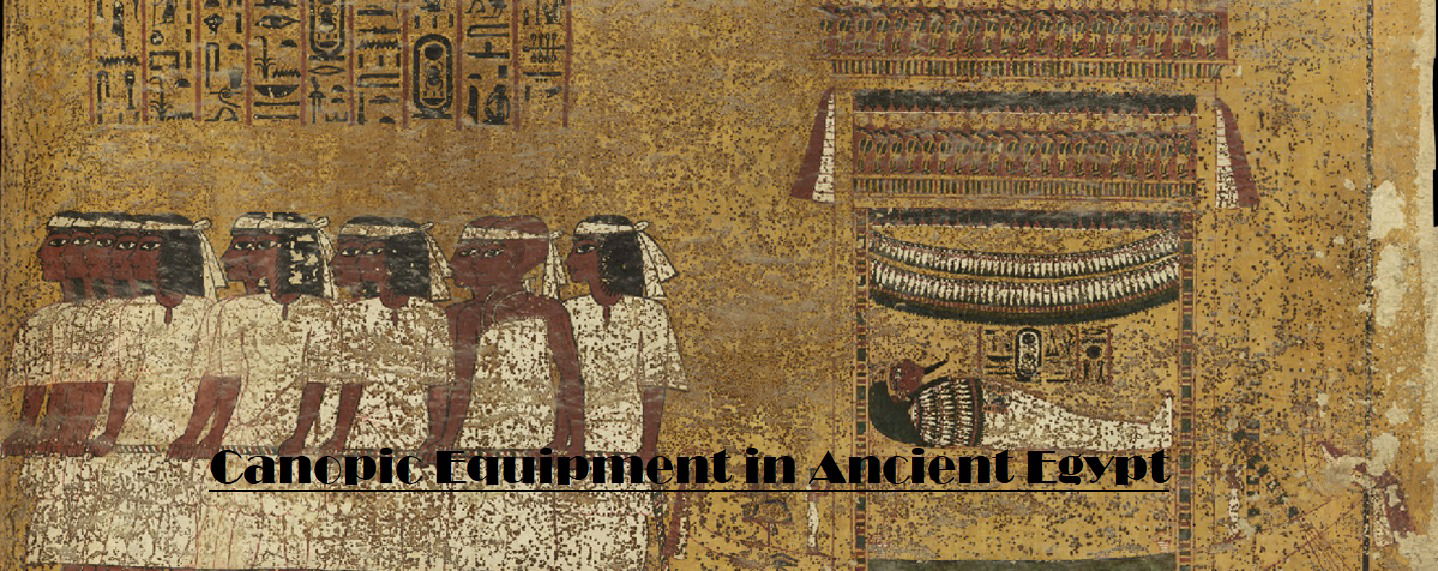
Figure 11., and Figure 12. (follow the link) - http://www.highres.factum-arte.org/Tutankhamun/ | the wall painting discovered on the Sepulchral hall’s ‘eastern wall’ (Figure 6a.) of Tutankhamun’s tomb: Nephthys and Isis can be seen standing on the NORTH and SOUTH sides of the ‘celestial barge’.
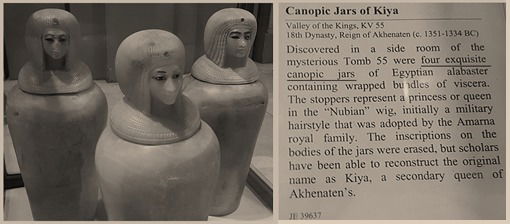
Figure 13. https://commons.wikimedia.org/wiki/Category:Kiya_Canopic_jars_(Egyptian_Museum_in_Cairo) - canopic jars from ‘Tomb KV 55’: the canopic jars of Kiya (Tutankhamun’s mother).
a. In the photograph: three of the four canopic jars, belonging to Kiya, can be seen - the hieroglyphic elements have, from antiquity, been removed from each of the jars - (sepia).
b. The reference card (right) provides some details of the jars’ discovery - (sepia).
18th Dynasty (Cir. 1349 BC 1336 BC - New Kingdom)
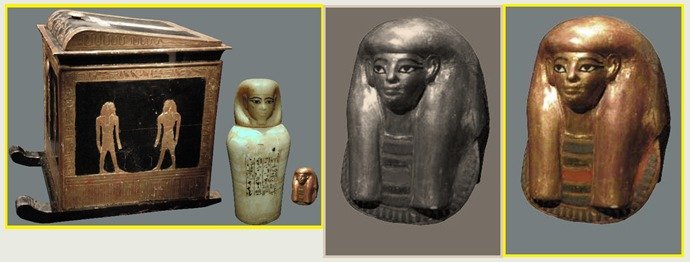
Figure 14. https://www.arce.org/resource/canopic-equipment-beauty-and-revelations-ancient-egypt - canopic equipment from ‘Tomb KV 46’: Tjuyu’s canopic box (Tutankhamun’s great grandmother).
a. In the photograph: a canopic box, a canopic Jar (Duamutef : Neith) and a miniature canopic mask shroud - (polychrome).
b. In the photograph: a miniature canopic mask shroud - (sepia).
c. In the photograph: a miniature canopic mask shroud - (polychrome).
18th Dynasty (Cir. 1550 BC - 1292 BC - New Kingdom)
- IN CONCLUSION: an assortment of tables, illustrations and photographic picture images has provided didactic information and ‘collectable’ examples for future appraisals of canopic equipment discovered in the tombs of Ancient Egypt: the whole article, as one contextual process, has thought to have been necessarily followed through - as stage after stage of collated information; for use as further examples become available. An index or an assortment of the ‘available information’ on a very small area of the study of Ancient Egyptian canopic equipment with detailed attention to the hieroglyphic elements found within this biased field of study, are perhaps, the descriptions best suited to explain the existence and identify the purpose of this paper and the collated examples contained within its text.
REFERENCE AND SOURCE URLS:
(1) Mifflin Soaringweb.org - (an example from the Philae Temple of Isis, of a ‘temple standard’ in hieroglyphic form) - http://mifflin.soaringweb.org/images/EGYPT/Egypt_1937_1536x1024.jpg | b. (.. ‘Travel Pictures from Egypt’ …) - http://mifflin.soaringweb.org/egypt_isis.html
(2) Griffith.ox.ac.uk - (The Griffith Institute: (Exp. Figure 3.) 266b Alabaster (calcite) canopic box (chest) on sledge covered with linen sheet) - http://www.griffith.ox.ac.uk/gri/carter/266b-p1159.html | b. http://www.griffith.ox.ac.uk/gri/carter/266b.html
(3) Tutankhamun's treasure visits London: 2 November 2019 - 3 May 2020 - The Guardian.com - https://www.theguardian.com/science/2019/feb/21/largest-ever-tutankhamun-display-coming-to-london) •‘Treasures of the Golden Pharaoh’ at the Saatchi Gallery (over 150 items will be on display: “The largest London display yet held” - https://www.saatchigallery.com/art/tutankhamun.php).
(4) Wikipedia.org - (Canopic chest (box)- ‘first used in the 4th Dynasty’) - https://en.wikipedia.org/wiki/Canopic_chest
(5) ARCE.org - (Revelations of from (sic) Ancient Egypt’ Aidan Dodson, University of Bristol) - https://www.arce.org/resource/canopic-equipment-beauty-and-revelations-ancient-egypt
• Table 1: HIEROGLYPHIC ILLUSTRATION FOR EACH OF THE ‘FOUR SONS OF HORUS’ AND THEIR PROTECTIVE GODDESSES - general index - Ccivcopy.site.wesleyan.edu - http://ccivcopy.site.wesleyan.edu/project-6/egyptian-vases-and-canopic-jars/ | b. Wikipedia.org - https://en.wikipedia.org/wiki/Four_sons_of_Horus | c. Wikipedia.org - (hieroglyphic examples - Gardiner's Sign List § O. Buildings, Parts of Building, etc.) - https://en.wikipedia.org/wiki/Gardiner%27s_sign_list#O._Buildings,_Parts_of_Building,_etc | d. David, A. Rosalie (1999). Handbook to Life in Ancient Egypt. Oxford: Oxford University Press. ISBN 0-8160-3312-9.
• Table 2: BOOK OF THE DEAD - BOOK OF ANI (Cir. 1250 BC) - replicates the details from the general index (Table 1) - Ccivcopy.site.wesleyan.edu - http://ccivcopy.site.wesleyan.edu/project-6/egyptian-vases-and-canopic-jars/ | b. Wikipedia.org - https://en.wikipedia.org/wiki/Four_sons_of_Horus | c. Wikipedia.org - (hieroglyphic examples - Gardiner's Sign List § O. Buildings, Parts of Building, etc.) - https://en.wikipedia.org/wiki/Gardiner%27s_sign_list#O._Buildings,_Parts_of_Building,_etc | d. David, A. Rosalie (1999). Handbook to Life in Ancient Egypt. Oxford: Oxford University Press. ISBN 0-8160-3312-9.
Figure 1., and Figure 2. Wikimedia.org - https://commons.wikimedia.org/wiki/Category:Papyrus_of_Ani#/media/File:Book_of_the_Dead,_The_presentation_of_Ani_to_Osirir._Wellcome_L0005450.jpg | ii - https://commons.wikimedia.org/wiki/Category:Papyrus_of_Ani | b. Wikipedia.org - https://en.wikipedia.org/wiki/Papyrus_of_Ani
Figure 4. Wikimedia.org - https://commons.wikimedia.org/wiki/Category:Canopic_chest_of_Tutankhamun
Figure 3.Wikimedia.org - https://commons.wikimedia.org/wiki/Category:Alabaster_canopic_chest_of_Tutankhamun
Figure 5. Egypt-museum.com - (one of the ‘four miniature gold coffins’ discovered within the ‘alabaster canopic box’ - discovered within Tutankhamun’s wooden ‘Canopic Shrine’ | Tutankhamun’s canopic container (one of ‘four miniature gold coffins’) protected by the goddess Nephthys and with the representative authority of Hapy. (3) - ) - https://egypt-museum.com/search/gold+canopic+coffin | b. Wikipedia.org - https://en.wikipedia.org/wiki/Canopic_jar
Figure 6.
a. The floor plan of Tutankhamun’s tomb drawn by Howard Carter.
b. The position of the wooden ‘Canopic Shrine’ within Tutankhamun’s tomb.
c. The position of each of the ‘Four Sons of Horus’, identified on each of the four miniature gold coffins, discovered within the wooden ‘Canopic Shrine’; within the alabaster canopic box’: Hapy, goddess Nephthys (Figure 5.) is positioned North-west.
d. An illustration of the positions of the protective goddesses represented with and inside the wooden ‘Canopic Shrine’.
- Table 3: (a schedule that identifies the combinations of four compass locations with the four protective goddesses (Table 1.); that generates a quartered pattern in a square).
Figure 7. British Museum.org - https://www.britishmuseum.org/research/collection_online/collection_object_details.aspx?assetId=30953001&objectId=117313&partId=1 | b. Wikipedia.org - https://en.wikipedia.org/wiki/Four_sons_of_Horus
Figure 8. Crystalwind.ca - (N-S compass locating the ‘Four Sons of Horus’ with a compass point) - http://www.crystalwind.ca/mystical-magical/pantheons-and-myths/egyptian/egyptian-gods-four-sons-of-horus | b. Wikipedia.org - (the ‘Four Sons of Horus’) - https://en.wikipedia.org/wiki/Four_sons_of_Horus
- Table 4: (this table provides the reference information details for the ‘‘Four Sons of Horus’ - general index’) - Ccivcopy.site.wesleyan.edu - http://ccivcopy.site.wesleyan.edu/project-6/egyptian-vases-and-canopic-jars/ | b. Wikipedia.org - https://en.wikipedia.org/wiki/Four_sons_of_Horus | c. Wikipedia.org - (hieroglyphic examples - Gardiner's Sign List § O. Buildings, Parts of Building, etc.) - https://en.wikipedia.org/wiki/Gardiner%27s_sign_list#O._Buildings,_Parts_of_Building,_etc | d. David, A. Rosalie (1999). Handbook to Life in Ancient Egypt. Oxford: Oxford University Press. ISBN 0-8160-3312-9.
Figure 9. Met Museum.org - (‘’Canopic chest of Senbi’ 12th Dynasty (Cir. 1961 BC - 1878 BC). This canopic box was part of the burial equipment of the steward Senbi. The box is inscribed with recitations of the ‘Four Sons of Horus’ and invocation of offerings in the name of Anubis. The inner lid is surmounted by four wooden heads representing the ‘Four Sons of Horus’, the guardians of the viscera’ - Met Museum) - https://www.metmuseum.org/art/collection/search/546275?sortBy=Title&where=Egypt&ao=on&od=on&ft=112&offset=0&rpp=20&pos=8
Figure 10. Met Museum.org - (‘’Canopic chest of Ukhhotep’ 12th Dynasty (Cir. 1981 BC - 1802 BC - Middle Kingdom) this canopic chest belonged the chief treasurer Ukhhotep, son of Hedjpu. Its exterior decoration matches that of his coffin and contains inscriptions stating that the deceased is honoured by the ‘Four Sons of Horus” - Met Museum) - https://www.metmuseum.org/art/collection/search/546312
Figure 11., and Figure 12. Highres.factum-arte.org - (The wall painting discovered on the Sepulchral hall’s ‘eastern wall’ (Figure 6a.) of Tutankhamun’s tomb: Nephthys and Isis can be seen standing on the north and south sides of the barge) - http://www.highres.factum-arte.org/Tutankhamun/ | b. (Reeves, fig 3., follow the link) - file:///F:/...1.%20AAA..%20JULY-2019-(2)--/New%20folder%20(5)%20[5]/The_Decorated_North_Wall_in_the_Tomb_of.pdf (sic:sic) | c. (wall paintings from Tutankhamun’s tomb) - https://sites.google.com/a/syd.catholic.edu.au/boudica/year-11-ancient-history/tutankhamun-s-tomb/tomb-paintings
Figure 13. Wikimedia.org - (canopic jars from ‘Tomb KV 55’: the canopic jars of Kiya (Tutankhamun’s mother) a. In the photograph: three of the four canopic jars, belonging to Kiya, can be seen. However, the hieroglyphic elements have, from antiquity, been removed from each of the jars (in sepia) | b. The reference card - right - provides details of the jars’ discovery (in sepia) | 18th Dynasty (Cir. 1349 BC 1336 BC - New Kingdom) - ) - https://commons.wikimedia.org/wiki/Category:Kiya_Canopic_jars_(Egyptian_Museum_in_Cairo) | b. (more examples of Kiya’s Canopic Jars) - https://commons.wikimedia.org/wiki/Category:Canopic_jars_of_Kiya | c. (one example, from Kiya’s four canopic jars) - https://en.wikipedia.org/wiki/Canopic_jar | d. (an example of a jar lid, from one of Kiya’s four jars, at the Egypt Museum) - https://egypt-museum.com/search/canopic+jar+kiya | e. (one example, from Kiya’s four canopic jars, at the Met Museum) - https://www.metmuseum.org/art/collection/search/544689
Figure 14. ARCE.org - (canopic equipment from ‘Tomb KV 46’: Tjuyu’s canopic box (Tutankhamun’s grandmother) | a. In the photograph: a canopic box, a canopic Jar (Duamutef : Neith) and a miniature canopic mask shroud (in polychrome) | b. In the photograph: a miniature canopic mask shroud (in sepia) | c. In the photograph: a miniature canopic mask shroud (repeated - in polychrome) 18th Dynasty (Cir. 1550 BC - 1292 BC - New Kingdom) | (‘Revelations of from (sic) Ancient Egypt’ Aidan Dodson, University of Bristol) - https://www.arce.org/resource/canopic-equipment-beauty-and-revelations-ancient-egypt | b. Ancient Origins.net - (tomb item examples from Yuya’s and Tjuya’ s ‘Tomb KV 46’) - https://www.ancient-origins.net/ancient-places-africa/magnificent-tomb-and-treasures-forgotten-couple-yuya-and-tuya-006683 | c. (‘Each canopic jar has similar details’ - examples from Yuya’s and Tjuya’ s ‘Tomb KV 46’) - https://news.nationalgeographic.com/2016/03/160303-king-tut-tomb-treasures-yuya-tuyu/?utm_source=NatGeocom&utm_medium=Email&utm_content=inside_20160317&utm_campaign=Content&utm_rd=15104461
Ancient Origins.net - https://www.ancient-origins.net/artifacts-other-artifacts/everyone-knows-mask-king-tut-have-you-seen-any-5000-other-treasures-his-021206?nopaging=1
Ccivcopy.site.wesleyan.edu - http://ccivcopy.site.wesleyan.edu/project-6/egyptian-vases-and-canopic-jars/
Daily Mail.co.uk - https://www.dailymail.co.uk/sciencetech/article-3307795/King-Tut-s-tomb-COLOUR-Stunning-new-images-historic-discovery-boy-king-s-burial-chamber-new-light.html
Egiptologia.com - https://egiptologia.com/la-vuelta-a-la-vida-de-tutankhamon/
Hub Pages.com - https://hubpages.com/education/The-Egyptian-Book-of-the-Dead-A-Road-Map-through-Hell
The Griffith Institute: An out-take from The Griffith Institute’s Main List (index) - of canopic objects with a relationship to the ‘four miniature (small canopic) coffins’ discovered in ‘Tomb KV 62’:
- (Example Figure 1.) 266 Wooden canopy (canopic shrine) on sledge with statues of Isis, Nephthys, Neith and Selket
- (Exp. Figure 2.) 266a Wooden canopic chest (shrine) with representations of goddesses on sides
- (Exp. Figure 3.) 266b Alabaster (calcite) canopic box (chest) on sledge covered with linen sheet - http://www.griffith.ox.ac.uk/gri/carter/266b-p1159.html
- (Exp. Figure 4.) 266c Lid of canopic jar (437)
- (Exp. Figure 5.) 266d Lid of canopic jar
- (Exp. Figure 6.) 266e Lid of canopic jar (439)
- (Exp. Figure 7.) 266f Lid of canopic jar - (link through ‘Previous’ on the Griffith Institute dashboard)
- (Exp. Figure 8.) 266g Four miniature gold coffins - http://www.griffith.ox.ac.uk/gri/carter/266g.html
- (Exp. Figure 9.) 267 Casket of ivory and ebony - (link through ‘Next’ on the Griffith Institute dashboard)
UCL.ac.uk - (for canopic jars with a discussion and some Ancient Egyptian literary examples) - https://www.ucl.ac.uk/museums-static/digitalegypt/burialcustoms/canopic.html | b. https://www.ucl.ac.uk/museums-static/digitalegypt/burialcustoms/canopicbox.html
Web.archive.org - (Herodotus on the process of mummification) - https://web.archive.org/web/20131023202442/http://www.utexas.edu/courses/medworld/herodotus_mummies.html
Wikipedia.org - (Four sons of Horus) - https://en.wikipedia.org/wiki/Four_sons_of_Horus | b. (Canopic chest - ‘first used in the 4th Dynasty) - https://en.wikipedia.org/wiki/Canopic_chest
FURTHER READING:
Alamy.com - (Alamy.com stock photographs of a miniature (small canopic) gold coffin: a ‘coffinette’ from Tutankhamun’s Tomb) - https://www.alamy.com/stock-photo-coffinette-for-the-viscera-of-tutankhamun-dynasty-18-reign-of-tutankhamun-83302344.html
ARCE.org - (Revelations of from (sic) Ancient Egypt’ Aidan Dodson, University of Bristol) - https://www.arce.org/resource/canopic-equipment-beauty-and-revelations-ancient-egypt | b. Wikipedia.org - (Canopic chest - ‘first used in the 4th Dynasty’) - https://en.wikipedia.org/wiki/Canopic_chest
British Museum.org - (canopic jar/canopic chest) - https://britishmuseum.org/research/collection_online/collection_object_details.aspx?objectId=117303&partId=1&searchText=canopic+chest&page=1
Brooklyn Museum.org - (Canopic Chest) - https://www.brooklynmuseum.org/opencollection/objects/4148
David, A. Rosalie (1999). Handbook to Life in Ancient Egypt. Oxford: Oxford University Press. ISBN 0-8160-3312-9.
Deir el-medina.com - ‘Turin Museum: the tomb of Kha’, Lenka Peacock, Dec. 2017 - (this web site contains ‘bibliographic information’ (see, the PDFs: esp. 9., R. Bianucci et al (‘sic.’) of 2015 [(QV36) : (KV46)] :: [medial and lateral] :: [cerebellum, cerebration, evisceration, cerebral and phlebotomy]) for two 18th Dynasty tombs: ‘Tomb TT 8’ (1906) and ‘Tomb KV 46’ (1905) - www.deirelmedina.com/lenka/TurinKha.html
Jstor.org - (the use and development of canopic equipment is reviewed) - https://www.jstor.org/stable/506744?read-now=1&seq=6#page_scan_tab_contents
The Guardian.com - https://www.theguardian.com/science/2019/feb/21/largest-ever-tutankhamun-display-coming-to-london
Wikipedia.org - (hieroglyphic examples - Gardiner's Sign List § O. Buildings, Parts of Building, etc.) - https://en.wikipedia.org/wiki/Gardiner%27s_sign_list#O._Buildings,_Parts_of_Building,_etc
* A., as N-S compass location.
** 2., as the site location (where North (A.) is indicated as West (2.) - N moves to W.
TEXT END - JULY 2019